


April 30, 2026
From Weather Alerts to Action Plans: Closing the Gap Between Forecasts and Field Response
A severe weather alert is issued. Notifications are sent. Dashboards light up with warnings. Yet, at the property
Read More
A severe weather alert is issued. Notifications are sent. Dashboards light up with warnings. Yet, at the property level, little changes. No inspection is scheduled, no preventive measures are taken, and no clear direction is given to on-site teams.
The disconnect between awareness and execution continues to challenge commercial property operations. While access to weather data has improved significantly, the ability to translate that information into timely, effective action often falls short. The result is avoidable damage, higher storm damage repair costs, and disruptions that could have been minimized.
With the right framework in place, weather alerts can serve as a starting point for informed decision-making rather than background noise.
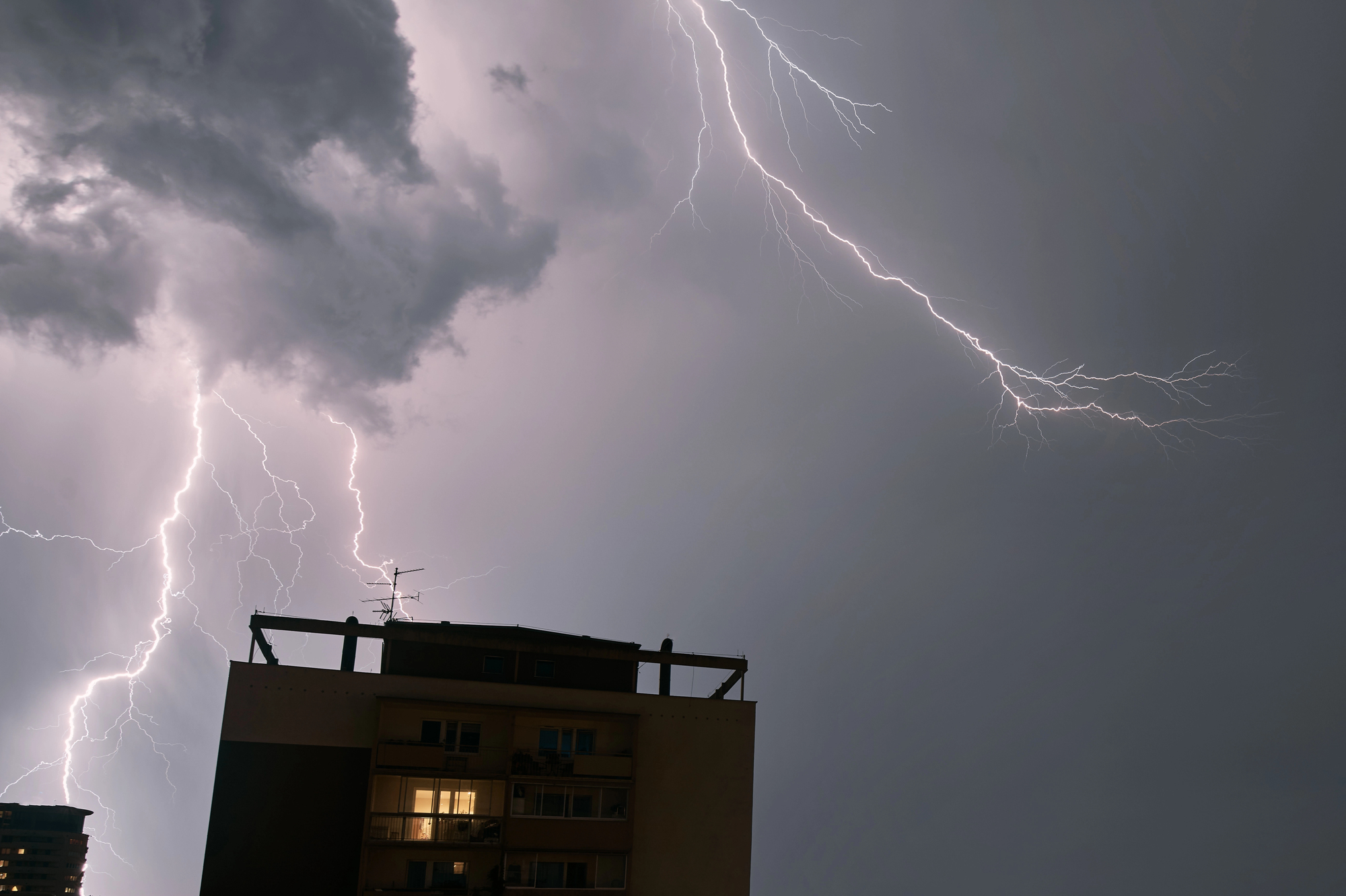
Weather intelligence has become an integral part of managing commercial buildings. Real-time alerts, radar tracking, and predictive tools are now widely available, offering detailed insight into approaching conditions.
Events such as heavy rainfall, high winds, extreme temperatures, and hail are no longer unpredictable disruptions. They are increasingly monitored, tracked, and anticipated. Such a level of visibility creates an opportunity for proactive planning.
However, access to data alone does not ensure action. In many cases, alerts are received without a clear path forward. The presence of information is mistaken for preparedness, even when response strategies have not been defined.
To create real value, weather intelligence must be connected to operational workflows. Without that connection, even the most accurate forecasts remain underutilized.
The gap between alerts and response is rarely caused by a lack of information. Instead, it is typically the result of operational challenges that prevent timely decision-making.
Multiple notifications may be received throughout the day, often without prioritization. When every alert appears urgent, it becomes difficult to determine which conditions require immediate attention.
Alerts may be acknowledged, but without clear instructions, teams are left to interpret what steps should be taken. This can lead to inconsistent responses across commercial properties.
Alerts may be received at a corporate level but not effectively shared with on-site personnel. In other cases, critical details may be lost during handoffs between teams.
When ownership is not clearly assigned, decisions may be delayed while teams determine who should act.
Without current insight into roof integrity, drainage performance, or system vulnerabilities, responses are often reactive rather than preventive.
Weather conditions can change rapidly. A minor issue identified early can often be resolved with minimal effort. If left unaddressed, that same issue may escalate into a significant problem within hours.
For example, a small drainage blockage may seem manageable under light rainfall. During a heavier event, that blockage can lead to water accumulation, increased load on roofing systems, and potential interior damage.
Delayed action often results in higher repair costs, operational interruptions, and safety concerns. In contrast, early intervention allows for controlled, targeted responses that reduce risk.
Clarity also plays a critical role. When expectations are clearly defined, teams can act with confidence. When they are not, hesitation and inconsistency are more likely to occur.
A structured approach is essential for converting weather alerts into meaningful action. This begins with the development of a practical, easy-to-follow response framework.
Risk categorization is a useful starting point. Weather events can be grouped into low, moderate, and high-risk categories based on severity and potential impact. Classification allows for a more measured and appropriate response.
Once risk levels have been established, pre-defined action plans should be developed for each category. Plans may include steps such as scheduling inspections, securing exterior elements, or verifying drainage functionality.
By outlining these actions in advance, uncertainty is reduced during time-sensitive situations.
Clear ownership should also be assigned. Each stage of the response process should have a designated responsible party, along with defined approval and communication roles, to ensure accountability and reduce delays.
Finally, response time expectations should be established. Certain alerts may require immediate attention, while others can be addressed within a defined timeframe. Setting expectations in advance removes ambiguity and supports consistent execution.
Technology is essential in improving the connection between alerts and action. When used effectively, it can simplify decision-making and enhance coordination.
Centralized alert systems allow weather data to be consolidated into a single platform, reducing fragmentation and making it easier to identify relevant information.
Automated notifications with context can further improve clarity. Instead of receiving generic alerts, teams can be provided with property-specific insights and recommended actions.
Added context supports faster, more informed responses.
Integration with property management systems also offers significant advantages. Alerts can be linked directly to maintenance workflows, enabling tasks to be created, assigned, and tracked in real time.
In some cases, real-time monitoring tools may be used to provide additional visibility. They can support condition assessments during and after weather events, allowing for more accurate decision-making.

While response planning is important, preparation remains one of the most effective ways to reduce risk. A well-prepared commercial property allows teams to move with clarity and confidence when conditions begin to change.
Proactive inspections should be conducted on a consistent schedule to maintain visibility into the condition of critical building components. Roofing systems, facades, flashing details, and drainage infrastructure should be evaluated to identify early signs of wear, deterioration, or blockage.
Assessments often reveal minor issues that may not seem urgent but can escalate under severe weather conditions, such as membrane punctures, loose materials, or restricted drains.
When these concerns are addressed in advance, the risk of water intrusion, structural strain, and interior damage is greatly reduced. Documented inspection findings also support more informed decision-making and prioritization of maintenance efforts.
Weather-related risks shift throughout the year. Warmer months may bring heavy rainfall and increased storm activity, while colder periods can introduce freeze-thaw cycles that affect roofing materials and exterior systems.
Preparation strategies should be adjusted to reflect changing conditions. This may involve clearing drainage systems ahead of rainy seasons, reviewing roof integrity before periods of extreme heat, or reinforcing vulnerable areas based on prior performance.
By anticipating common seasonal patterns and aligning maintenance efforts accordingly, property teams can improve readiness and reduce the likelihood of reactive repairs during peak weather events.
Vendor coordination should be established well in advance to support a faster and more organized response when weather events occur. Qualified service providers should be identified, and their scope of work, availability, and response expectations should be clearly defined.
Property owners should confirm emergency response capabilities, outline communication protocols, and ensure that access requirements are understood. When relationships are established ahead of time, delays associated with sourcing vendors during urgent situations can be avoided.
As a result, inspections, repairs, and mitigation efforts can be initiated more efficiently, helping to limit damage and maintain operational continuity.
Effective communication is essential for a coordinated response. Without it, even well-designed plans may not be executed as intended.
Standardized communication protocols should be developed to guide how alerts and updates are shared. This may include designated channels, reporting formats, and escalation procedures.
Alignment between corporate and on-site teams is equally important. Both groups should have a clear understanding of expectations, responsibilities, and response strategies. Regular training and updates can support alignment.
Actions taken during weather events should be recorded, and outcomes should be reviewed. This information can be used to refine processes and improve future performance.
Improvement is best achieved through measurement and evaluation. By tracking key metrics, organizations can identify strengths and areas for refinement.
Metrics such as response time, extent of damage, and repair costs can provide valuable insight. Patterns may emerge that highlight recurring challenges or opportunities for improvement.
Each weather event can serve as a learning opportunity. By analyzing performance and adjusting strategies, organizations can move from reactive responses to a more proactive, resilient approach.
When the gap between alerts and action is reduced, the benefits extend beyond immediate damage prevention.
Repair and maintenance costs can be lowered through early intervention. Operational continuity can be improved, reducing disruptions for tenants and stakeholders. Asset protection is strengthened, supporting long-term value.
Moreover, a more structured response process can increase confidence among commercial property owners, managers, and occupants. Clear plans and consistent execution demonstrate preparedness and reliability.
Weather alerts provide valuable insight, but their true value lies in how they are used. Without a clear response strategy, even the most accurate forecasts may have limited impact.
By establishing structured frameworks, defining responsibilities, and leveraging technology, commercial property teams can turn alerts into actionable steps. The shift from passive awareness to active response can significantly reduce risk and improve outcomes.

At BlueTeam, we provide comprehensive support designed to keep commercial buildings prepared and resilient. From detailed inspections and targeted storm damage repairs to roofing solutions, restoration, and ongoing maintenance, every service is backed by experienced teams and a coordinated approach.
Contact our experts today to build a stronger, more reliable response strategy and keep your property ready for whatever conditions arise.