


April 30, 2026
From Weather Alerts to Action Plans: Closing the Gap Between Forecasts and Field Response
A severe weather alert is issued. Notifications are sent. Dashboards light up with warnings. Yet, at the property
Read More
Hurricanes can dismantle months of storm damage repair planning in a single night. Roofs are torn, water infiltrates buildings, and power outages halt operations. In the immediate aftermath, every decision—and every delay—has consequences.
Incident reporting becomes a critical tool in managing the chaos. Quick, precise documentation directs emergency responders to the most urgent threats, provides insurers with clear evidence, and guides restoration teams in prioritizing work.
Without it, hazards may be overlooked, repairs delayed, and costs multiplied.
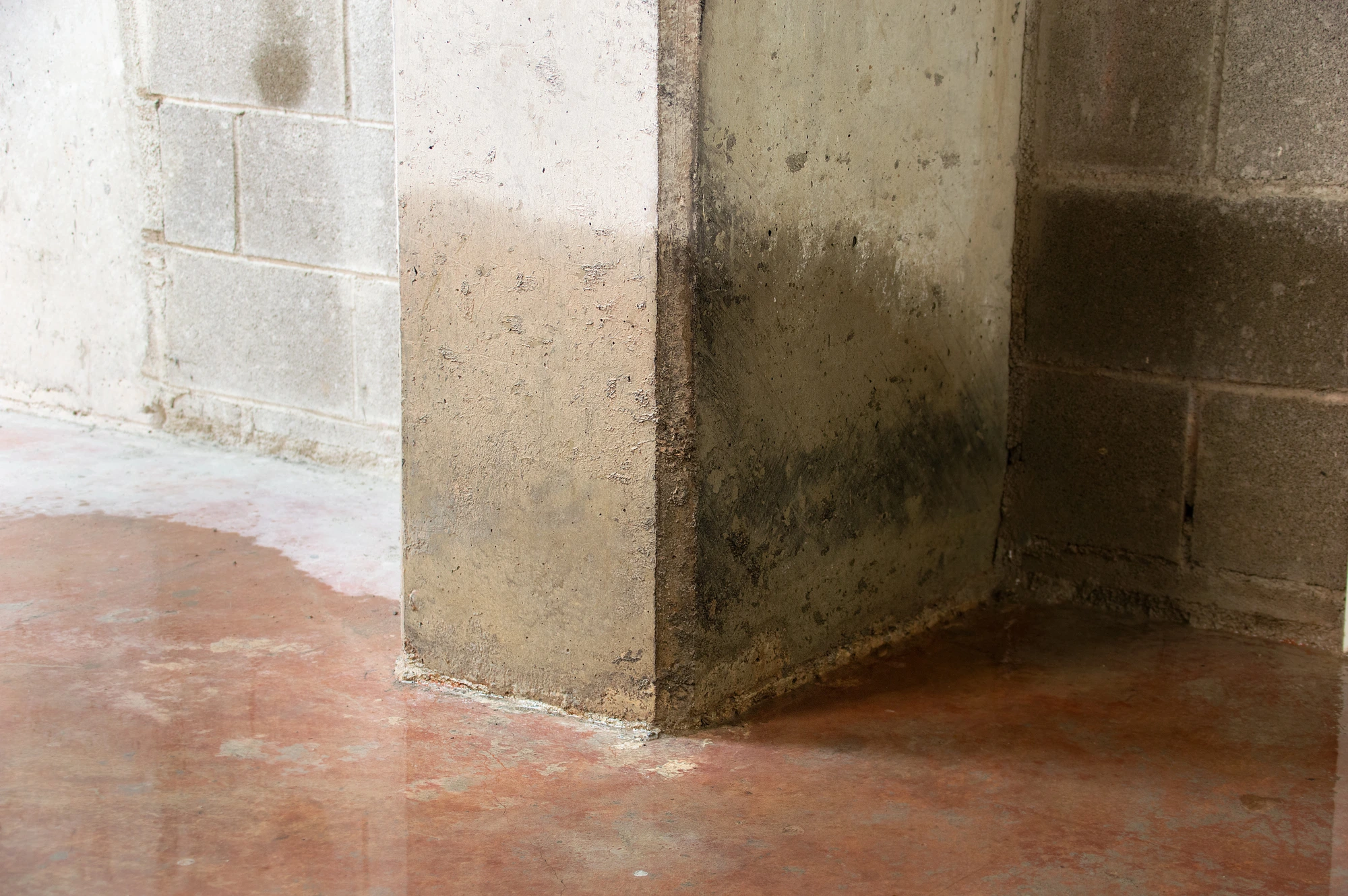
In the aftermath of a hurricane, incident reporting refers to the structured process of recording and communicating damage, hazards, and disruptions. It requires careful assessment, thorough documentation, and clear verification of the conditions affecting a property or community.
Both speed and accuracy play a crucial role. Reports need to be filed quickly to support emergency response, but the details must also be precise to ensure resources are directed appropriately and financial recovery moves forward without unnecessary disputes.
The range of incidents that demand reporting after a hurricane is wide. Roofs, walls, and windows often suffer structural damage. Flooding and water intrusion must be tracked and recorded.
Fallen trees, scattered debris, and downed power lines create immediate safety risks. Operational issues, such as facility shutdowns, damaged equipment, or loss of utilities, also require documentation.
When these details are captured promptly and in an organized way, hazards are reduced, insurance claims are processed more efficiently, and recovery efforts can be prioritized where they’re needed most.
The stakes are high. Without dependable reporting, properties remain vulnerable, safety risks may go unaddressed, and insurance claims can be delayed or denied. Ultimately, the speed and quality of incident reporting determine how effectively recovery moves forward after a hurricane.
When incident reporting after a hurricane is slow or incomplete, the setbacks can multiply quickly. Financial losses rise, safety risks increase, and recovery timelines stretch far longer than necessary.
Delays in reporting often translate directly into higher costs. Insurance claims that are filed late may face slower processing times, leading to stalled repairs and prolonged downtime.
Even when claims are approved, inaccurate reports can trigger disputes between property owners and insurers, causing frustrating delays in payouts.
Meanwhile, damage that is not addressed on time usually becomes more severe. Water intrusion, for example, can lead to mold growth and structural weakening if it is not documented and mitigated early.
What could have been a relatively contained expense can quickly escalate into a large-scale restoration project, all because of incomplete or delayed reporting.
Aside from leaving broken buildings behind, hurricanes create environments filled with hidden dangers. Downed power lines, unstable structures, and contaminated floodwaters all pose immediate threats. When these hazards are not documented in a fast, clear way, the risk to employees, residents, and emergency responders increases.
A lack of accurate reporting can mean responders are unaware of unstable areas or overlooked hazards, leading to preventable injuries.
Fast, thorough reporting ensures safety concerns are communicated, prioritized, and mitigated before they cause additional harm.
For businesses, inaccurate or delayed reporting can mean extended closures. Without clear documentation of damage, restoration teams may not know where to begin, and insurance approvals for repairs may be pushed back.
The situation creates a chain reaction: facilities remain shut, employees are displaced, and customers turn elsewhere.
The consequences of poor reporting extend well beyond the immediate effects of a hurricane. Incomplete or inaccurate records can make it difficult to analyze the true scope of damage, weakening future preparedness plans.
A lack of reliable documentation may also complicate compliance with regulatory requirements or hinder accountability when resources are allocated.
When reporting is delayed or inaccurate, recovery takes longer, costs rise, and risks multiply. Reliable incident reporting provides the foundation for a safer, faster, and more cost-effective path forward.
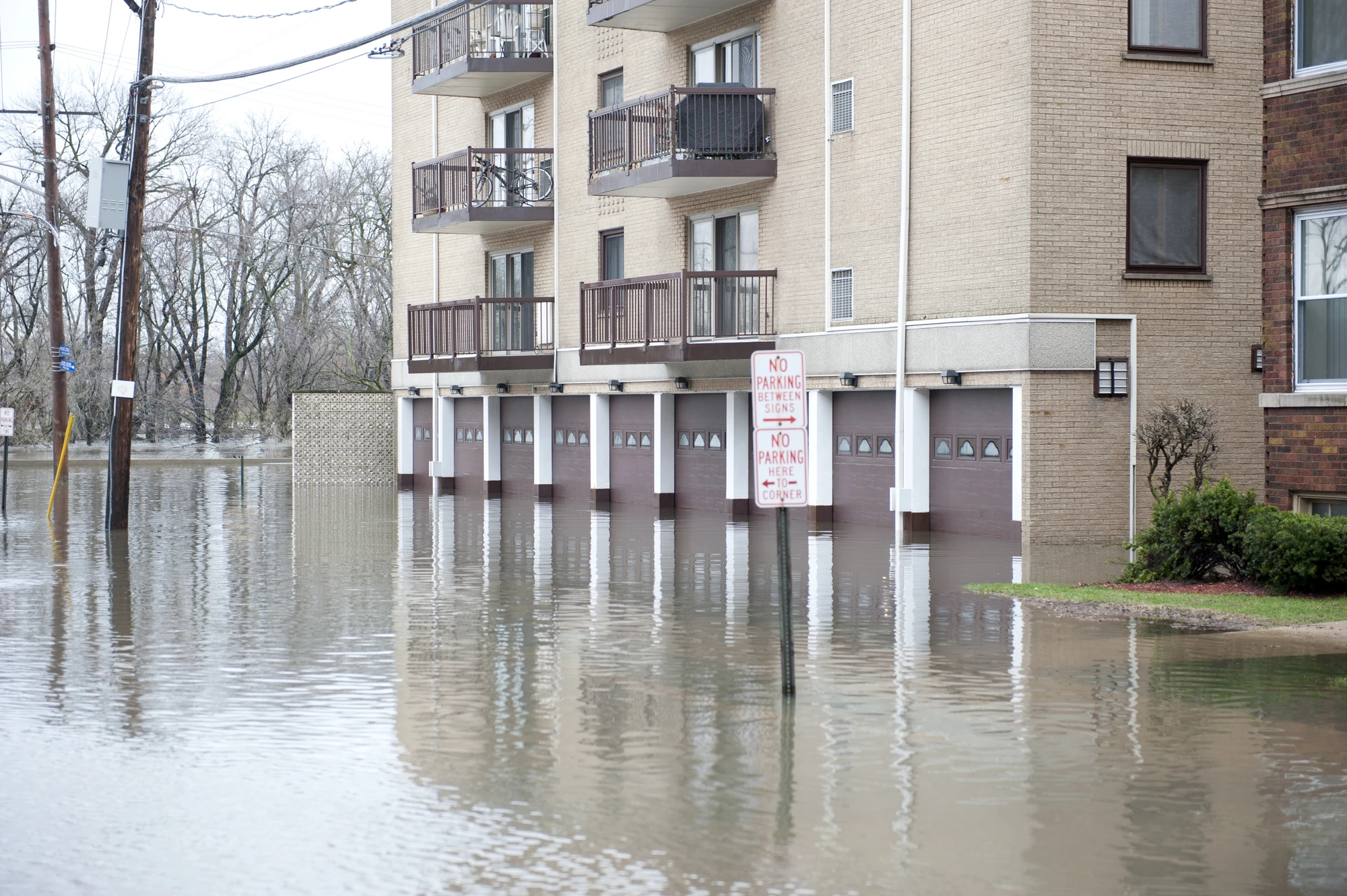
When a hurricane passes, every decision made in the first hours influences the entire recovery process.
The quality of incident reporting, both in terms of speed and accuracy, directly shapes how quickly hazards are contained, how smoothly insurance claims are processed, and how effectively resources are deployed.
When damage is documented quickly, restoration teams, first responders, and utility providers can be dispatched without unnecessary delays. Hazards such as unstable structures, downed power lines, or flooding are flagged sooner, allowing critical risks to be addressed before they lead to additional harm.
Fast reporting also reduces confusion during chaotic conditions. Clear documentation ensures that decision-makers know where the most urgent issues are, rather than wasting time gathering fragmented or outdated information.
Accuracy reinforces the benefits of speed by ensuring that the right resources are deployed to the right places. Precise documentation of structural damage, flooding, or operational disruption allows restoration professionals and engineers to prioritize work effectively.
For example, if a facility’s roof damage is severe, resources can be shifted there first, while less urgent repairs are scheduled later.
In contrast, vague or inaccurate reports may lead to misallocated teams and overlooked hazards, extending recovery timelines and inflating costs.
Insurance processes are notoriously complex after natural disasters, and the accuracy of incident reporting can make or break a claim. Thorough, well-documented reports provide insurers with clear evidence of damage, reducing the likelihood of disputes and accelerating approval.
This financial advantage enables businesses and commercial property owners to start repairs without long interruptions.
When reports capture detailed patterns of damage across properties or regions, that data becomes a resource for future storm preparedness. Owners can analyze recurring issues, strengthen vulnerable infrastructure, and refine emergency protocols based on documented outcomes.
Accurate reporting also streamlines the rebuilding process itself. Clear records reduce redundancy, help coordinate contractors, and support efficient procurement of materials.
Instead of guessing or duplicating efforts, restoration can proceed in an orderly, well-informed manner.
Fast and accurate reporting does not happen by accident. It requires preparation, clear procedures, and consistency, especially in the chaotic hours after a hurricane.
By putting best practices in place ahead of time, organizations can strengthen their ability to document reliably when it matters most.
Effective reporting starts long before a hurricane makes landfall. Property managers, business owners, and staff should know exactly who is responsible for gathering information, how incidents will be documented, and where that information will be submitted.
Clear reporting channels eliminate confusion, ensuring that details reach decision-makers without delay.
Assigning designated personnel for documentation and verification is especially valuable. When accountability is built into the process, there is less chance of duplication or oversight.
Everyone involved knows their role, whether it is photographing damage, filling out forms, or reviewing reports for accuracy.
Speed matters, but accuracy cannot be sacrificed. Verification and cross-checking should be built into every reporting process. Peer review or supervisory oversight helps catch mistakes, prevent misclassifications, and fill in gaps that might otherwise go unnoticed.
Documenting immediate actions is another vital step. If temporary repairs, debris removal, or hazard mitigation measures are taken right away, those actions should be logged clearly. Doing so provides a transparent record for insurers and regulators, while also showing how risks were managed in real time.
The most effective reporting systems are part of a larger culture of preparedness. When staff, property managers, and community members treat reporting as a critical responsibility, accuracy and speed become second nature.
Regular training, clear communication, and consistent follow-up ensure that protocols are not only in place but also actively practiced.
Fast and precise incident reporting supports long-term resilience. Detailed records allow patterns of vulnerability to be analyzed, informing structural improvements and preventive measures.
Organizations can track recurring issues, allocate budgets for mitigation, and implement policies to reduce future risks.
Accurate reporting also supports accountability and transparency. Stakeholders, including property owners, insurance providers, and regulatory agencies, benefit from verifiable documentation of actions taken and damages sustained. This reduces disputes and ensures that recovery processes are traceable and defensible.
In addition, thorough incident records contribute to strategic planning. Emergency response plans can be refined based on lessons learned, infrastructure can be reinforced in high-risk areas, and operational procedures can be adjusted to minimize downtime during future events.
Essentially, fast and accurate incident reporting transforms reactive recovery into proactive preparedness, enhancing overall resilience against hurricanes and other natural disasters.
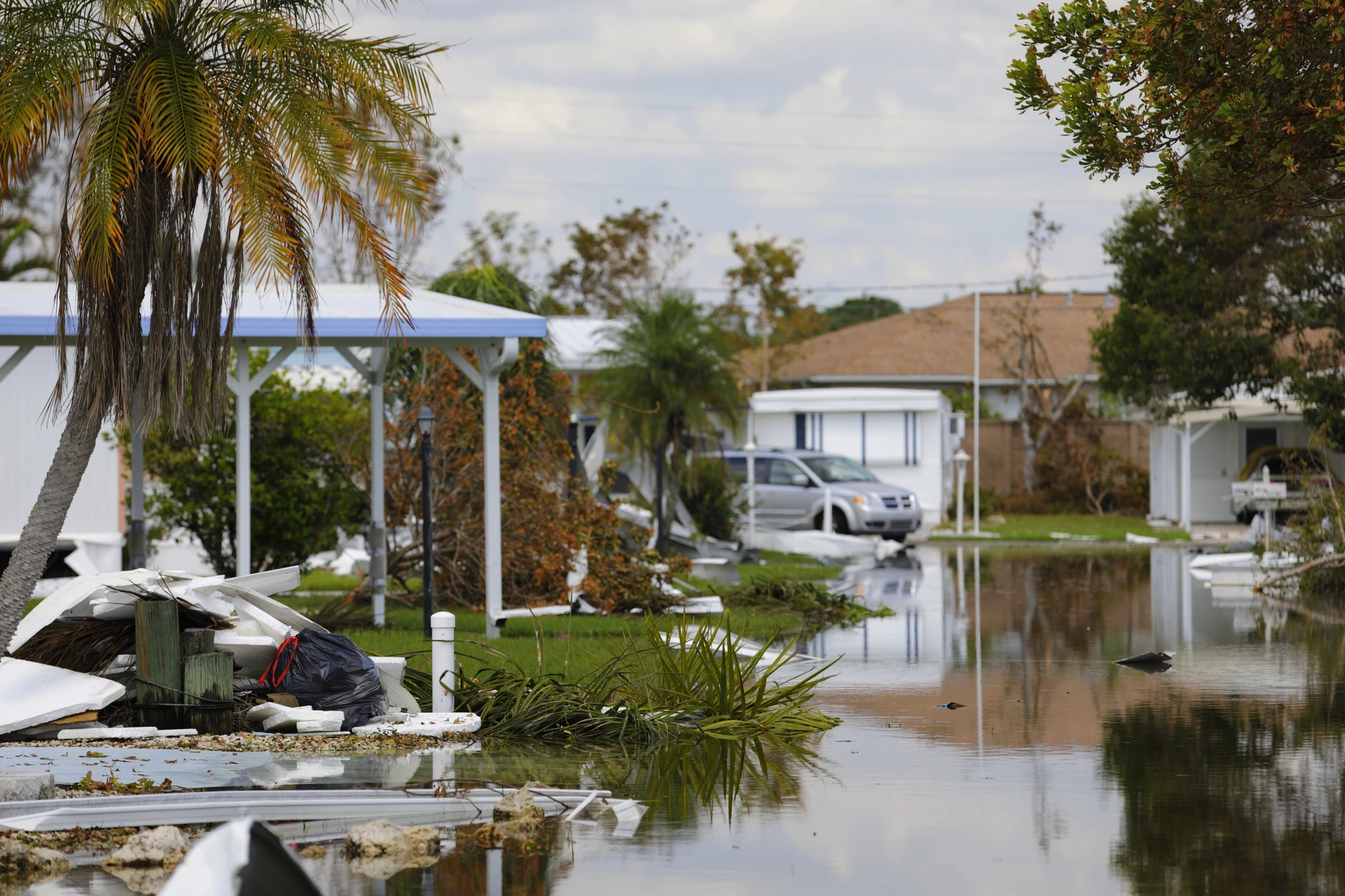
By adopting standardized reporting protocols, emphasizing immediate and thorough documentation, and maintaining accuracy through verification, property owners and organizations can navigate the complexities of hurricane recovery with confidence.
For businesses and property managers seeking expert assistance, partnering with a professional restoration and emergency response company can provide an additional layer of assurance.
BlueTeam offers comprehensive commercial restoration, emergency response, and roofing solutions to help properties recover efficiently and safely after hurricanes. Contact BlueTeam today to protect your assets and ensure a faster, more reliable recovery.