


April 30, 2026
From Weather Alerts to Action Plans: Closing the Gap Between Forecasts and Field Response
A severe weather alert is issued. Notifications are sent. Dashboards light up with warnings. Yet, at the property
Read More
Effective capital planning can make the difference between a property that operates smoothly and one always hampered by unexpected costs. For many commercial properties, improvement, replacement, and repair expenses are often unpredictable, and underestimating them can lead to serious budget overruns or operational interruptions.
Accurately forecasting the costs demands detailed property assessments from commercial contractors, historical cost analysis, and scenario-based projections. As a result, property owners can make informed decisions, allocate resources efficiently, and maintain both financial and operational stability over the long term.

Capital planning provides the framework through which long-term investments in commercial property assets, like replacements, upgrades, and value-enhancing repairs, are evaluated, scheduled, and budgeted.
A strong foundation in capital planning allows property owners to anticipate expenditures, reduce financial risk, and maintain operational efficiency.
Routine maintenance includes minor repairs, regular inspections, and operational upkeep that preserve existing functionality without extending the asset’s lifespan. Examples include HVAC filter replacement, small plumbing repairs, or repainting worn surfaces.
Capital expenditures, by contrast, involve substantial investments that enhance, upgrade, or replace major systems or structures. They might include roof replacement, HVAC system upgrades, structural reinforcements, or major façade improvements.
Accurately separating routine maintenance from capital expenditures ensures that long-term budgets reflect the true cost of sustaining and improving property assets, rather than simply covering day-to-day operations.
A primary challenge in capital planning is the inherent unpredictability of potential damage.
Natural events such as storms, flooding, or extreme temperatures can accelerate wear or cause sudden structural failures. Human factors, including accidental damage or misuse, can also increase repair or replacement demands.
Without careful consideration, unplanned costs can quickly exceed allocated budgets and disrupt operations.
To mitigate the risks, forecasting should incorporate historical trends in damage, property-specific vulnerabilities, and regional environmental risks. Scenario-based planning can be applied to estimate best-case, worst-case, and likely-cost outcomes, providing a buffer against unexpected expenses.
Anticipating variability in costs allows property managers to maintain more resilient and realistic capital plans.
Fluctuations in labor rates, material costs, and inflation directly impact replacement, improvement, and repair budgets.
For instance, sudden increases in steel or lumber prices can dramatically alter the cost of roof replacements or structural renovations. Similarly, labor shortages or market competition may increase hourly rates for skilled contractors, creating further uncertainty in cost projections.
Older properties add an additional layer of complexity. Historical maintenance records may be incomplete, undocumented repairs may exist, and aging systems can behave unpredictably.
All these factors can obscure the true financial requirements for future repairs or improvements. By incorporating property-specific conditions and market dynamics into forecasting models, managers can develop more accurate and actionable budgets.
Accurate forecasting begins with comprehensive data collection. Conducting detailed property assessments enables the identification of structural vulnerabilities and system deficiencies.
Roofs, HVAC systems, plumbing, and electrical infrastructure should all be evaluated to determine their current condition and expected lifespan. Documenting age, performance, and prior interventions provides a baseline for projecting future needs.
Historical cost analysis serves as another critical component of accurate forecasting. Reviewing past replacements, upgrade, and repair projects allows for the identification of cost trends and patterns.
Adjustments can then be applied to account for inflation, labor rate changes, and evolving material costs. This approach transforms historical data into actionable insight, supporting the development of realistic budgets.
Once comprehensive property data has been collected, accurate forecasting costs can be undertaken. Forecasting requires structured methodologies to ensure that budgets reflect both anticipated and unexpected expenditures.
A foundational element of forecasting is the creation of a capital reserve fund. A fund functions as a financial buffer for large-scale repairs and replacements, ensuring that sufficient resources are available when unforeseen issues arise.
Calculating appropriate reserve levels requires evaluating the property’s age, condition, and risk profile. Older buildings or high-risk systems may require higher reserve allocations, while newer or lower-risk properties may demand less.
Balancing the need for financial preparedness with practical budgeting constraints ensures that funds are available when required without unnecessarily tying up capital.
Cost projection models provide a systematic approach to estimating expenses for individual building systems and components. Each critical area—roofing, HVAC, electrical, plumbing, and structural elements—should be evaluated based on current condition, projected lifespan, and anticipated repair or replacement requirements.
Accurate projections must include not only material and labor costs but also contingency allowances to account for unexpected challenges during repairs, improvements, or replacements.
When modeling in a structured manner, property managers gain a quantifiable basis for budgeting, reducing reliance on ad hoc estimates or anecdotal information.
Scenario planning enhances forecasting precision by modeling multiple possible outcomes. Best-case, worst-case, and most-likely scenarios can be generated for each system, allowing property managers to visualize potential cost ranges and plan accordingly.
Incorporating insurance considerations, such as coverage limits, deductibles, and policy exclusions, further strengthens scenario-based forecasts. Projected costs must reflect both internal budgeting needs and external financial protections.
With scenario planning, more informed capital allocation decisions are made, and stakeholders are ready for potential financial impacts.

While internal data collection and modeling are essential, leveraging external expertise can significantly improve forecast accuracy.
Cost estimators, contractors, and structural engineers bring experience and technical knowledge that can reveal hidden vulnerabilities or overlooked cost factors. Their involvement is particularly valuable for complex or aged properties where condition assessment may require specialized techniques.
Expert input supports more accurate projections by validating assumptions, verifying cost estimates, and identifying potential risks that may not be evident from routine inspections.
Moreover, professional evaluations can provide assurance to stakeholders, investors, and property management teams, supporting confident decision-making.
Ongoing review and refinement are essential to maintaining the accuracy of capital planning forecasts. Without regular updates, projections can quickly become outdated due to market changes, unexpected repairs, or shifts in property conditions.
Forecasts should be reviewed on a consistent schedule, such as quarterly or annually. Comparing actual expenditures against projected costs highlights discrepancies and identifies areas where assumptions may need adjustment.
This practice allows property managers to respond proactively to unexpected changes rather than reacting after budgets are exceeded.
Capital planning should be a dynamic process. Forecasts must be updated following completed projects, newly identified risks, or emerging market trends.
Iterative refinement enhances the precision of future budgeting and ensures that projections remain relevant over time.
Embedding a structured review and update process into property management routines creates consistency and accountability.
By aligning predicted and actual capital requirements, property managers can reduce the likelihood of budget shortfalls and maintain financial stability for their commercial assets.
Sustaining accuracy in capital planning requires more than initial data collection and modeling.
Long-term precision is achieved through consistent documentation, standardized methodologies, technological integration, and organizational alignment.
Thorough documentation of all repairs, replacements, and capital improvements should be maintained. Recording project scope, contractor details, timelines, and final costs creates a valuable historical database.
Over time, accumulating information allows trends to be identified and recurring issues to be analyzed.
Well-maintained records also support more accurate lifecycle assessments of building systems. Analyzing documented performance trends and repair frequency allows replacement schedules to be developed in closer alignment with actual asset conditions.
A data-driven approach reduces reliance on generalized industry averages and grounds forecasting in property-specific performance, resulting in more precise long-term capital planning.
Consistency in cost estimation is critical for long-term reliability. Standardized templates, defined contingency percentages, and uniform assumptions regarding labor and material costs should be applied across all projections.
When methodologies are standardized, year-over-year comparisons become more meaningful, and forecasting variability is reduced.
Clear documentation of estimation assumptions further enhances transparency. When market conditions shift, adjustments can be made systematically rather than reactively, preserving the integrity of the capital plan.
Long-term forecasting accuracy is strengthened when capital planning is aligned with formal asset lifecycle benchmarking. Rather than relying solely on internal projections, building systems should be evaluated against industry lifecycle standards and manufacturer performance data.
Roofing assemblies, mechanical systems, and structural components each carry expected service lives under normal operating conditions. Comparing actual asset performance to these benchmarks allows deviations to be identified early.
When lifecycle benchmarking is incorporated into forecasting models, replacement timelines can be validated against objective performance standards.
The process supports more defensible capital allocation decisions and reduces the likelihood of premature replacement or delayed intervention.
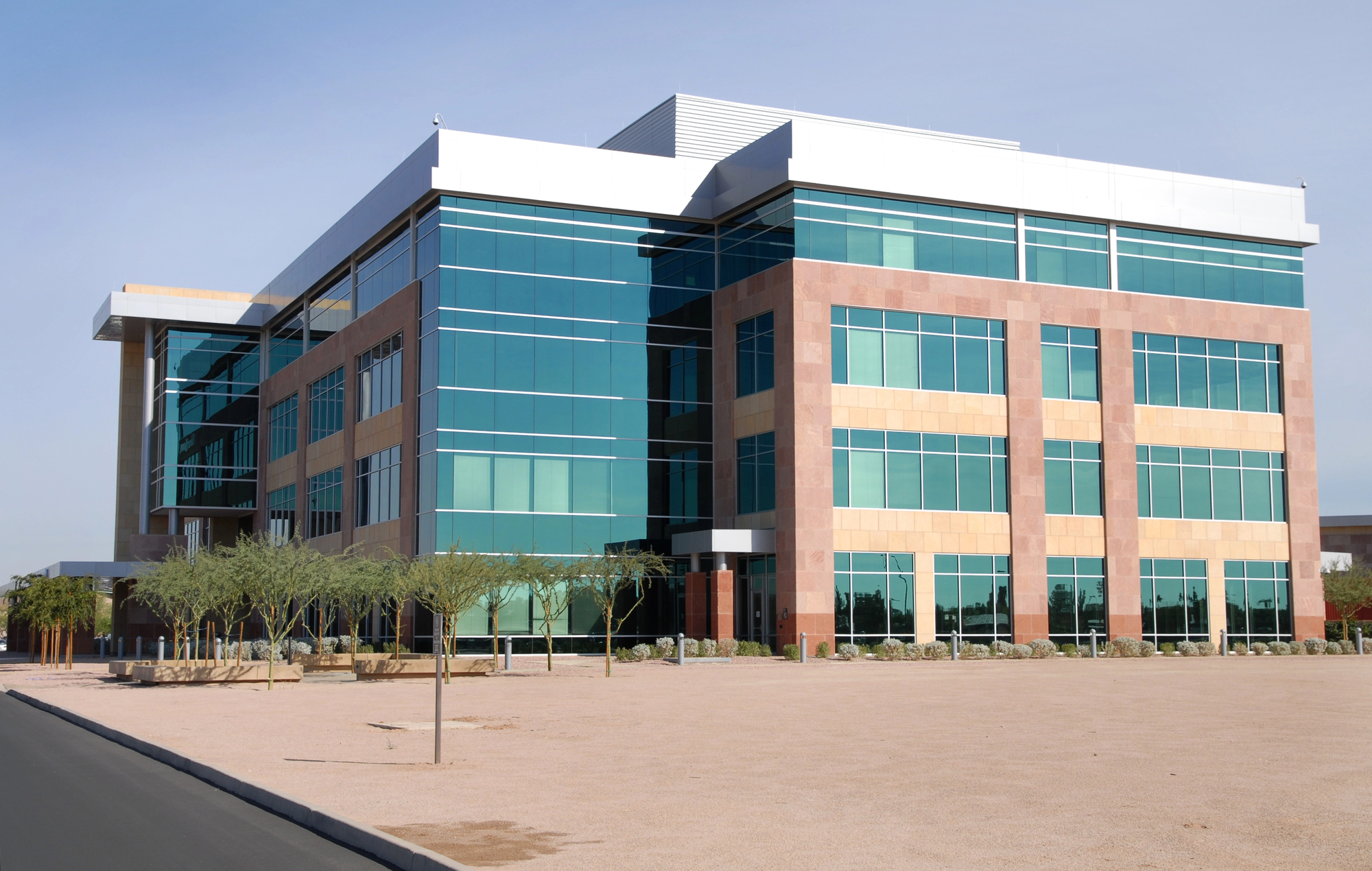
For commercial property owners, the benefits of precise forecasting are clear: financial stability, reduced risk of unexpected costs, and enhanced property longevity. Combining data-driven strategies with expert guidance creates a foundation for informed decision-making and confident management of property assets.
For property managers and owners seeking comprehensive capital improvement, roofing solutions, and more, contact BlueTeam today. Our team delivers strategic planning, technical expertise, and dependable execution at every stage.
Start strengthening your capital plan with experienced professionals who understand how to protect and extend the value of your commercial property.