


April 30, 2026
From Weather Alerts to Action Plans: Closing the Gap Between Forecasts and Field Response
A severe weather alert is issued. Notifications are sent. Dashboards light up with warnings. Yet, at the property
Read More
A small crack in a façade, a deteriorating roof membrane, or a leaky window frame might seem minor when reviewing a maintenance list. Left unaddressed, however, small failures can trigger a cascade of problems: water infiltration weakening structural beams, masonry spalling, insulation degrading, and exterior finishes failing.
What starts as a few hundred dollars in maintenance can snowball into tens of thousands of dollars in emergency repairs, commercial restoration services, or full-scale replacements.
Deferred maintenance is rarely just an inconvenience; it’s a silent budget risk. Strategic repairs, in contrast, involve addressing issues promptly, guided by inspection data, risk assessment, and long-term planning.
Recognizing the difference can determine whether a commercial property stays operational or faces sudden, disruptive, and expensive interventions.
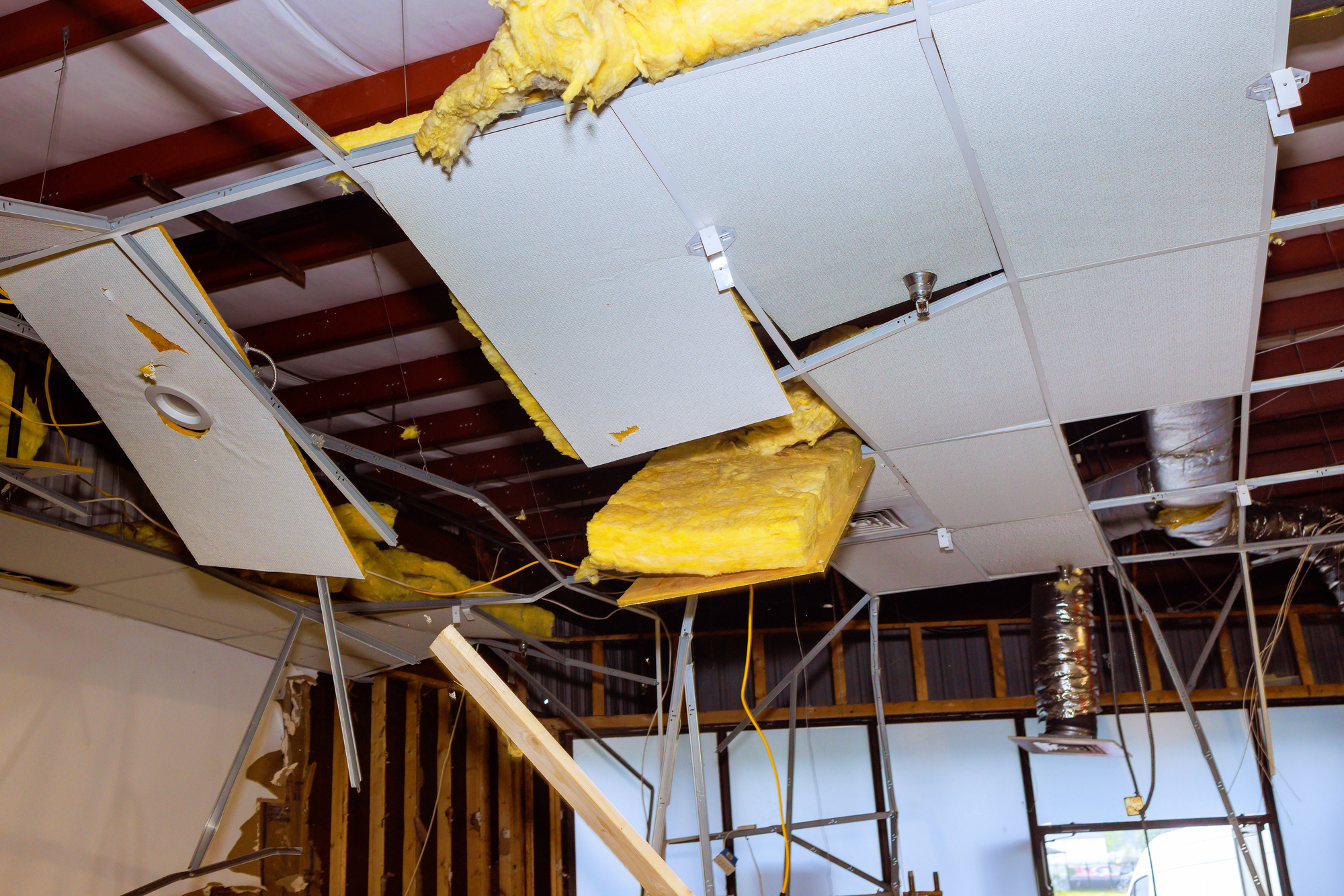
Deferred maintenance is the postponement or neglect of routine building upkeep, often due to budget constraints, resource limitations, or prioritization of other projects. Examples include delaying roof patching, ignoring small façade cracks, letting window frames deteriorate, or failing to repair leaking gutters.
While deferral may appear as a short-term cost-saving measure, it often results in higher long-term expenditures.
Several factors contribute to deferred maintenance, each increasing the likelihood that small building issues escalate into costly repairs.
Neglecting maintenance creates cascading risks. Minor problems can develop into structural failures, safety hazards, and regulatory noncompliance. Deferred maintenance also reduces asset value, increases insurance costs, and may necessitate emergency repairs.
In some cases, unresolved issues compromise the building’s integrity entirely, triggering large-scale expenditures that could have been prevented.
Strategic repairs focus on analyzing and addressing emerging building issues as soon as they are identified, using inspections, condition assessments, and performance data to guide action.
Contractors and commercial building owners analyze how different materials and structural components respond to environmental stress, load, or aging, getting a better understanding of which areas are most vulnerable, which ones need immediate repairs, and when future repairs are likely to be needed.
Risk assessments complement the approach, helping prioritize interventions based on potential impact, severity, and likelihood of escalation.
Strategic repairs emphasize informed responsiveness: acting quickly and effectively to maintain structural integrity and prevent small issues from developing into major failure events.
Strategic repairs provide multiple advantages that go beyond simply fixing visible damage:
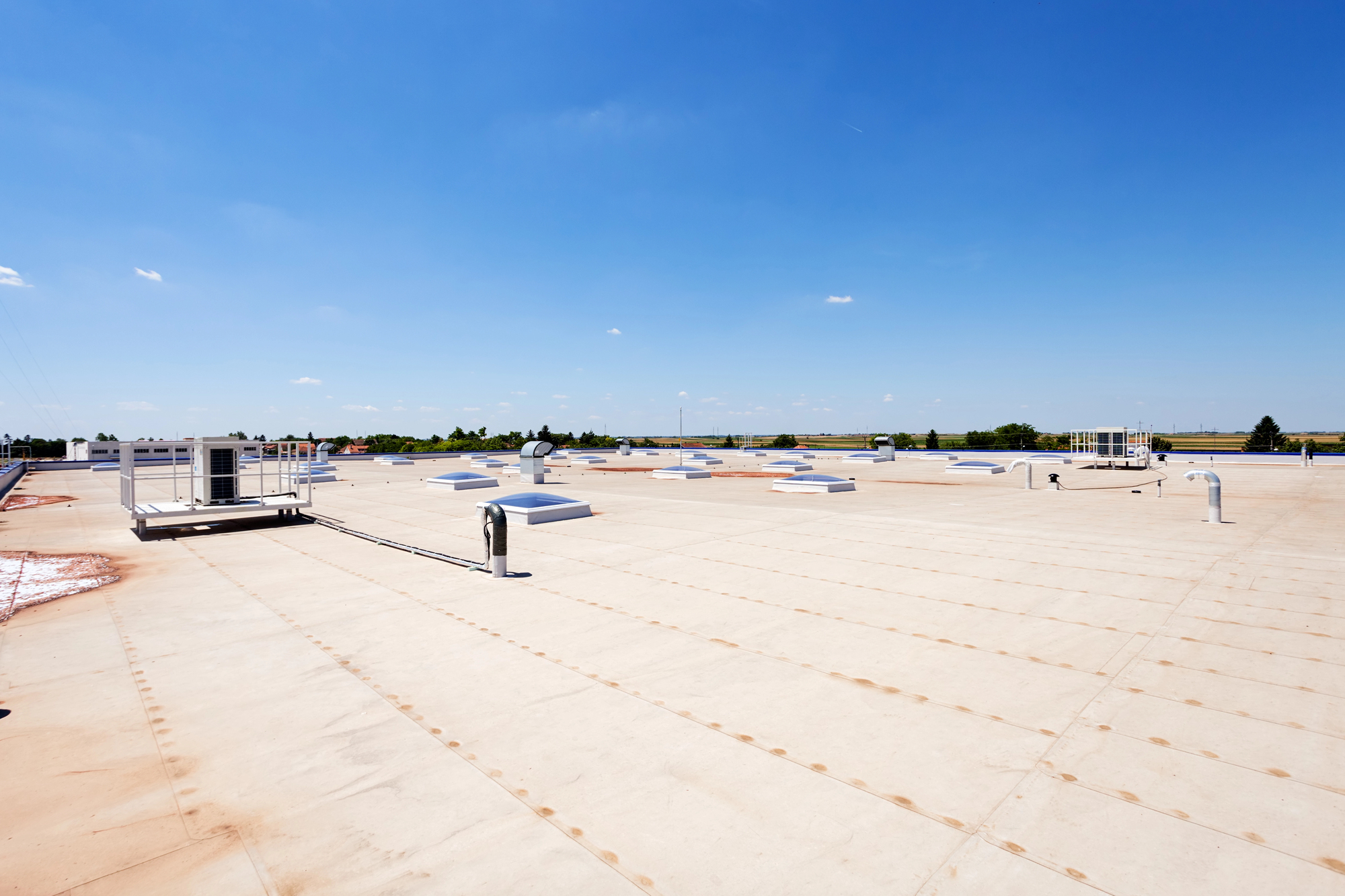
Deferred maintenance allows small problems to compound over time. A minor roof leak, for instance, may seem inconsequential. However, left unaddressed, water can infiltrate insulation, compromise structural components, and create conditions for mold growth.
Similarly, a small crack in a façade or an aging window seal can allow moisture intrusion, leading to deterioration of surrounding masonry, corrosion of structural supports, and interior water damage.
The progression from minor defect to full-scale failure event follows a predictable path: neglect → escalation → emergency intervention → major expenditure.
The costs of deferred maintenance extend beyond the immediate repair:
Capital events are significant expenditures required to upgrade or replace major building components that affect the long-term performance and value of a property. Unlike routine operational maintenance, the costs are substantial and typically included in a capital budget or require approval from finance teams.
Common capital events include full roof replacements, large-scale waterproofing, façade changes, etc.
Deferred maintenance complicates financial planning by increasing the likelihood that minor issues escalate into major events.
While capital expenditures are typically anticipated within a property’s capital budget, unaddressed maintenance can accelerate the timing or scale of these projects, straining cash flow and requiring reallocation of funds.
Escalating problems may also interfere with scheduled renovations, upgrades, or other strategic investments, creating ripple effects across a property portfolio.
By addressing issues as they emerge, building owners can better manage the timing and cost of necessary capital expenditures.
Strategic repairs allow property managers to maintain predictable cash flow and avoid surprise expenditures. Prompt fixes and proactive maintenance reduce total lifecycle costs by preserving equipment and structural integrity.
For example, repairing a small section of a roof or addressing a minor façade crack promptly may prevent full-scale roof replacement years later, representing a significant return on investment.
Routine inspections are the foundation of proactive maintenance. Systematic evaluations of roofs, façades, plumbing, floors, and electrical systems identify issues before they require extensive repairs.
Not all maintenance issues carry equal risk. Prioritization based on severity, potential cost impact, and operational disruption is essential.
By classifying repairs according to risk, property managers can allocate resources effectively, addressing the most critical issues first while scheduling lower-risk tasks.
Tracking maintenance activities, costs, and asset conditions enables informed decision-making.
A computerized maintenance management system (CMMS) or digital asset management platform ensures records are up-to-date, facilitating forecasting and preventive action. Historical data supports budgeting, compliance reporting, and capital planning.
Experienced contractors offer risk assessments, early detection, and guidance on best practices. Engaging contractors for inspections and strategic repairs ensures problems are addressed by trained professionals and reduces the likelihood of missed or misdiagnosed issues.
At BlueTeam, we provide expert inspections, timely repairs, roof and façade solutions, and comprehensive restoration services to identify emerging issues early, address them efficiently, and preserve the integrity and value of your property.
Reach out today to safeguard your commercial building, minimize unexpected costs, and ensure long-term structural resilience.