


April 30, 2026
From Weather Alerts to Action Plans: Closing the Gap Between Forecasts and Field Response
A severe weather alert is issued. Notifications are sent. Dashboards light up with warnings. Yet, at the property
Read More
Business operations can be brought to a halt in an instant when property damage occurs. A fire, a broken water line, or structural damage from severe weather can force closures, disrupt staff, and create unexpected expenses. The longer it takes to recover, the greater the financial loss and reputational strain.
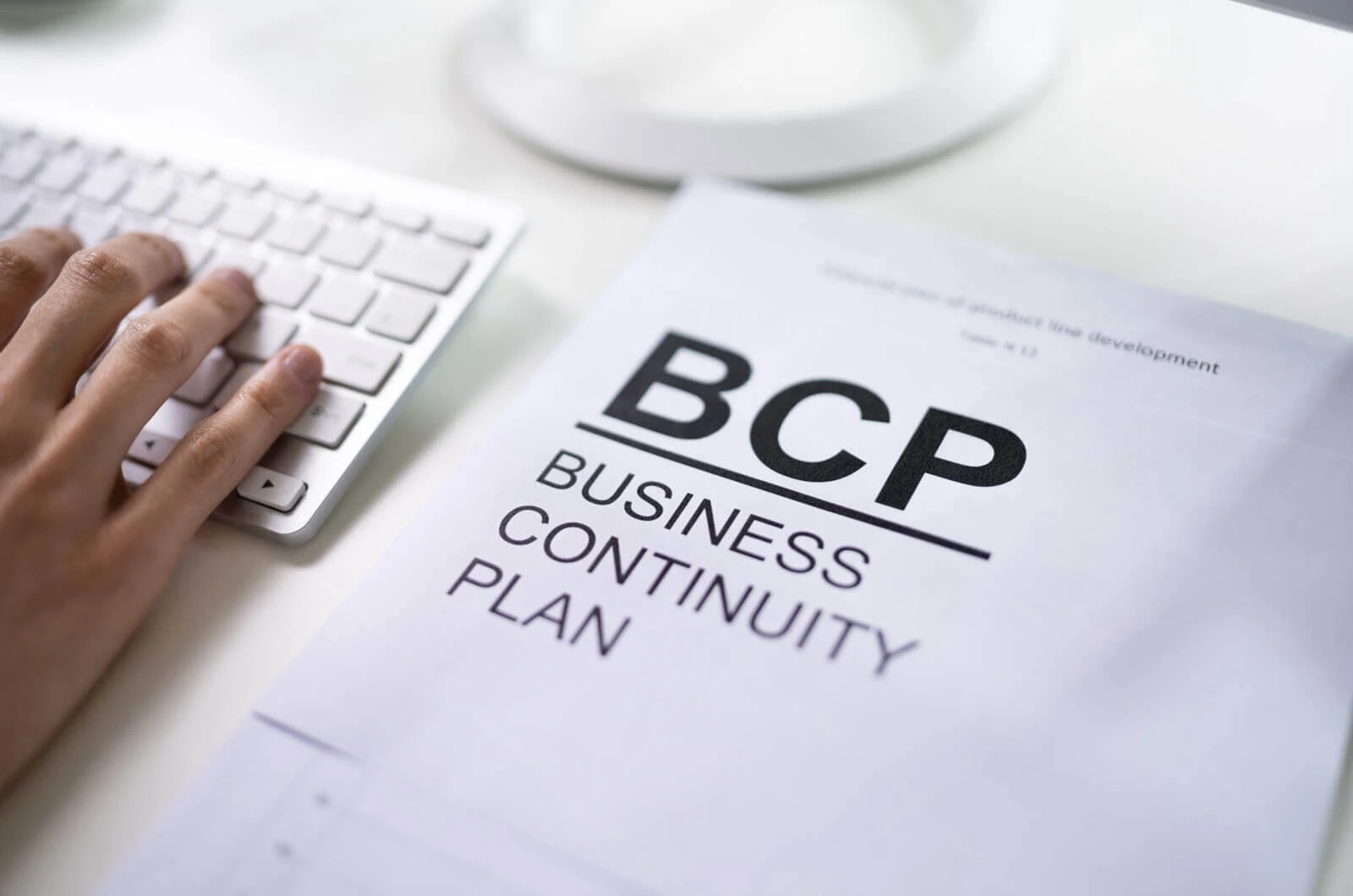
A Business Continuity Plan (BCP) establishes a framework for how critical operations will be maintained and how external and internal restoration will be carried out. By addressing both immediate response and long-term recovery, BCPs ensure that businesses are not left scrambling when disruption happens.
The importance of having a plan in place lies in the ability to act quickly, protect resources, and coordinate effectively with restoration professionals.
Property damage within a commercial building creates a chain reaction that affects not only the physical structure but also the business operations it houses.
When facilities are compromised, the continuity of services is disrupted, and the financial and reputational costs often extend well beyond the initial repair bill.
When a fire, flood, or impact event damages the framework of a commercial building, the structural integrity of the property is often placed at risk.
Load-bearing walls may weaken, roofing systems can be destabilized, and water infiltration can cause steel components to corrode or wooden structures to warp.
Even if a building remains standing, it may no longer meet occupancy standards until restoration is complete. For businesses, this translates into mandatory closures while engineers and inspectors evaluate safety.
The inability to access facilities halts operations and can also delay restoration timelines if significant structural remediation is required.
The damage inflicted on a property rarely allows staff to continue working as usual. Offices may be rendered inaccessible due to collapsed ceilings, compromised HVAC systems, or hazardous debris.
Even partial closures create workflow disruptions, as employees must adapt to temporary spaces or remote setups that may not replicate the efficiency of the original facility.
Extended displacement often leads to reduced productivity, slower response to customer demands, and an overall decline in operational effectiveness.
The operational pause caused by property damage directly impacts revenue generation. Businesses unable to meet contractual obligations risk penalties, loss of clients, or withdrawal from supply chain networks.
For service-based organizations, a prolonged closure can shift customers toward competitors, creating revenue gaps that extend even after reopening.
The financial strain of lost income, combined with restoration expenses, often exceeds initial projections and requires strategic planning to withstand.
Beyond physical repair, reputational consequences can be long-lasting. Clients, partners, and investors may perceive extended closures as a sign of unreliability.
If restoration takes months rather than weeks, questions about resilience and preparedness can emerge, affecting both customer confidence and market competitiveness.
Business Continuity Planning can be defined as the systematic process of preparing for, responding to, and recovering from disruptive incidents. A BCP establishes procedures that preserve essential functions during and after an event, ensuring organizational resilience.
Unlike disaster recovery, which emphasizes IT systems and data restoration, or emergency response, which addresses immediate safety concerns, business continuity encompasses an integrated approach to maintaining operations across the board.
A BCP serves as both a preventive and corrective measure, ensuring that organizational recovery is not left to improvisation. Its necessity applies across industries and scales, from small enterprises to large corporations, because the vulnerability to property damage and operational interruption is universal.
The integration of a Business Continuity Plan directly supports the efficiency and effectiveness of property restoration.
A well-designed plan transforms restoration from a reactive activity into a coordinated process guided by pre-established priorities.
The significance of BCP in property restoration lies in its capacity to mitigate financial impact, reduce reputational harm, and restore confidence among stakeholders.
Restoration efforts without continuity planning are characterized by confusion, misallocation of resources, and longer recovery periods.
With a structured plan, restoration becomes an extension of operational resilience rather than a disjointed emergency measure.

The effectiveness of a Business Continuity Plan is determined by the inclusion of essential components designed to anticipate disruption and guide recovery.
For property restoration, several elements hold particular importance:
Evaluating potential hazards helps reveal vulnerabilities in facilities, equipment, and location. It makes it possible to prioritize the most likely and most damaging threats that demand focused planning.
Factoring in regional risks, such as flooding, hurricanes, or fire exposure, further strengthens readiness.
The safety of people and the containment of immediate threats must always come first before restoration can begin. Documented procedures outline exactly how to evacuate, provide first response, and mitigate hazards.
Establishing these steps ahead of time reduces panic and ensures everyone follows the same actions in critical moments.
A clear communication framework keeps employees, clients, partners, and insurers informed with accurate updates. Limiting misinformation speeds up cooperation and builds trust throughout the recovery process.
Well-defined internal and external communication channels also help set expectations, both within the workforce and among stakeholders.
Proper allocation of personnel, equipment, and vendor partnerships is key to restoring operations quickly. Identifying reliable restoration providers in advance also ensures specialized resources can be mobilized without delay.
Having agreements already in place eliminates bottlenecks and gives leadership confidence in the recovery process.
Protecting digital records and operational systems is essential to maintaining business continuity. Backup strategies and redundancies safeguard financial data, client information, and operational software from permanent loss.
Cloud-based storage, secondary servers, and secure off-site backups add resilience if physical systems are damaged or destroyed.
Setting clear benchmarks for restoration provides measurable goals. Defined milestones show which operations need to come back online immediately, which can wait, and how long recovery should take.
A detailed timeline gives leadership and restoration partners a roadmap to follow, ensuring priorities stay aligned.
A comprehensive continuity plan should address both immediate and long-term structural restoration.
Short-term plans focus on stabilizing the property like temporary repairs, securing the site, or preventing further damage, so operations can resume safely. Long-term plans cover permanent reconstruction, code compliance, and full facility restoration.
Documenting both approaches ensures organizations can move quickly in the early stages while still having a strategy for returning the property to full functionality.
Implementing a Business Continuity Plan requires systematic execution to ensure that planning transitions into practical readiness. Several steps form the backbone of this process:
A plan that is created but never tested only gives the appearance of preparedness while leaving real vulnerabilities. Ongoing training, reassessment, and updates make the strategy stronger and ensure it keeps pace with changes in business structures, property layouts, and technology.
While internal planning provides a framework, professional expertise is often essential for effective property restoration.
Specialized restoration companies bring rapid response capabilities, advanced equipment, and technical knowledge that help speed up recovery. Their involvement ensures that safety standards are met, insurance documentation is handled correctly, and damaged structures are repaired or replaced efficiently.
Working with professionals also strengthens the effectiveness of a Business Continuity Plan. By identifying and integrating restoration providers in advance, organizations can reduce response times, improve coordination, and keep costs more predictable.
Building these partnerships before disruptions occur is a proactive step that reinforces operational resilience and helps ensure businesses can recover quickly and confidently.

The significance of business continuity is not confined to large-scale disasters but extends to all forms of disruption. Proactive planning, combined with professional restoration support, guarantees that recovery is swift and sustainable.
Safeguard your organization before the next disruption occurs. Contact BlueTeam today for expert commercial restoration and emergency response. Our team also provides roofing inspections and assessments, a valuable resource for implementing preventive measures and restoration strategies.