


April 30, 2026
From Weather Alerts to Action Plans: Closing the Gap Between Forecasts and Field Response
A severe weather alert is issued. Notifications are sent. Dashboards light up with warnings. Yet, at the property
Read More
Summer brings longer days and higher temperatures, but it also creates challenging conditions for commercial roofing systems. While many property owners focus on severe storms as the primary threat to their buildings, prolonged heat exposure can be just as damaging.
Day after day, roofing materials absorb intense solar radiation, expand under high temperatures, and contract as they cool overnight. Over time, the constant cycle places significant stress on the entire roofing assembly.
Unlike sudden storm damage, heat-related deterioration often develops gradually. Small issues, such as weakened seams or deteriorating sealants, may not be immediately noticeable. However, if left unaddressed, they can lead to water intrusion, higher energy costs, and premature roof replacement.
Understanding how extreme heat affects commercial roofing systems is an important part of protecting your investment. By recognizing the warning signs and taking a proactive approach to inspections and maintenance, property owners can extend the life of their roofs while reducing the risk of unexpected repairs.

Commercial roofing systems are engineered to withstand harsh weather conditions, but continuous exposure to high temperatures naturally contributes to material aging.
The combination of heat, ultraviolet (UV) radiation, and thermal movement accelerates wear in ways that are not always visible from the ground.
As roofing materials absorb solar heat throughout the day, they expand. When temperatures drop overnight, those same materials contract.
Although this movement may seem minor, it occurs every day throughout the hottest months of the year. Over thousands of heating and cooling cycles, stress accumulates across the roofing system. Flashing, fasteners, seams, adhesives, and penetrations are particularly vulnerable because they experience repeated movement at critical connection points.
Eventually, components may loosen, separate, or crack. Even small gaps can allow moisture to enter the roofing assembly during heavy rain, creating conditions that lead to insulation damage, mold growth, and structural deterioration.
Heat alone is only part of the problem. Ultraviolet radiation steadily breaks down many roofing materials through a process known as photodegradation.
As UV exposure continues, roofing membranes may become brittle, lose flexibility, or develop surface cracks. Protective coatings slowly wear away, leaving the roof more vulnerable to additional weathering. Materials that were once resilient become less capable of accommodating thermal movement, increasing the likelihood of splitting or seam failure.
Because UV damage develops gradually, many roofs appear to be in good condition even as deterioration progresses beneath the surface.
Thermoplastic polyolefin (TPO) roofing is widely used on commercial buildings because of its reflective surface and excellent energy efficiency. Its white membrane reflects a significant portion of the sun's rays, helping reduce rooftop temperatures and cooling costs.
However, TPO roofs are still affected by thermal movement. Over time, expansion and contraction may place stress on heat-welded seams, especially if installation quality was inconsistent or the roof has already experienced years of weather exposure.
EPDM, commonly known as rubber roofing, is valued for its flexibility and durability. It performs well under changing temperatures and is generally resistant to UV radiation.
Despite these advantages, EPDM membranes can shrink as they age. This shrinkage can pull against flashing, roof edges, and penetrations, increasing stress at connection points. If these areas begin to separate, water infiltration becomes much more likely.
Modified bitumen roofing systems are designed with multiple asphalt-based layers that provide excellent waterproofing performance.
During periods of prolonged heat, however, asphalt materials may soften. As temperatures fluctuate, blistering, surface cracking, and membrane fatigue can gradually develop. UV exposure further accelerates oxidation, causing the roofing material to become increasingly brittle.
Metal roofing systems offer exceptional longevity and are highly resistant to many forms of weather damage. However, they experience considerable thermal expansion.
As metal panels expand and contract, fasteners loosen and panel movement can place additional stress on seams and attachment points. If maintenance is deferred, these small movements can eventually compromise the roof's weather resistance.
Heat-related deterioration rarely appears overnight. Instead, it progresses gradually, making regular inspections essential for early detection.
Several surface conditions may indicate that excessive heat is affecting your commercial roof, including:
Even relatively small defects should be evaluated as soon as possible, as they often become larger under continued heat exposure.
Many roof failures begin around the areas where different components meet.
Facility managers should watch for:
These conditions create pathways for moisture intrusion, particularly during summer thunderstorms or hurricane season.
Not all roofing problems are immediately visible from the rooftop. Interior conditions frequently provide early warning signs that the roofing system has been compromised.
Potential indicators include:
Because commercial roofs often contain insulation beneath the membrane, water intrusion may spread before becoming noticeable inside the building. Early investigation helps minimize both roofing and interior damage.
Many commercial property owners delay repairs because the roof still appears functional. Unfortunately, heat-related damage rarely remains isolated.
Tiny cracks, loose flashing, or weakened seams may seem insignificant during dry weather. Once heavy rainfall arrives, however, these openings provide direct pathways for water to enter the roofing assembly.
Moisture trapped beneath the membrane can saturate insulation, reduce thermal performance, and contribute to mold growth or deck deterioration. Because the water often travels beneath the surface, the visible leak may appear far from the actual point of entry, making repairs more complex.
Heat-damaged roofing systems often become less energy efficient.
As reflective surfaces deteriorate and insulation becomes compromised, more heat enters the building. HVAC equipment must work harder to maintain comfortable indoor temperatures, increasing energy consumption and placing additional strain on mechanical systems.
For facilities with large roof areas, even modest reductions in roofing performance can have a measurable impact on operating costs.
Every commercial roofing system has an expected service life, but excessive heat can accelerate aging when maintenance is neglected.
Minor issues that could have been addressed with relatively simple repairs may eventually require extensive restoration or even premature roof replacement. Proactive maintenance helps maximize the return on your roofing investment while reducing long-term costs.
While no roofing system is immune to extreme temperatures, preventative maintenance can significantly reduce the likelihood of major failures.
Regular inspections remain one of the most effective ways to identify developing problems before they become emergencies.
Commercial roofs should be evaluated:
Professional inspections can identify subtle issues that may not be visible during routine building maintenance.
Removing debris, maintaining proper drainage, clearing rooftop equipment areas, and eliminating standing water all help reduce unnecessary stress on the roofing system. A clean roof also allows inspectors to identify developing problems more quickly.
Delaying small repairs often leads to larger restoration projects.
Replacing damaged flashing, resealing seams, repairing punctures, and securing loose fasteners as soon as they are identified helps preserve the roof's integrity and reduces the likelihood of moisture intrusion.
Prompt repairs are typically far less disruptive and more cost-effective than responding to widespread water damage.
For some commercial roofing systems, reflective roof coatings provide an additional layer of protection against heat and UV exposure.
These coatings can help lower roof surface temperatures, improve energy efficiency, reduce thermal movement, and extend the service life of the existing roof.
A roofing professional can determine whether a coating system is appropriate based on the roof's condition, age, and construction.
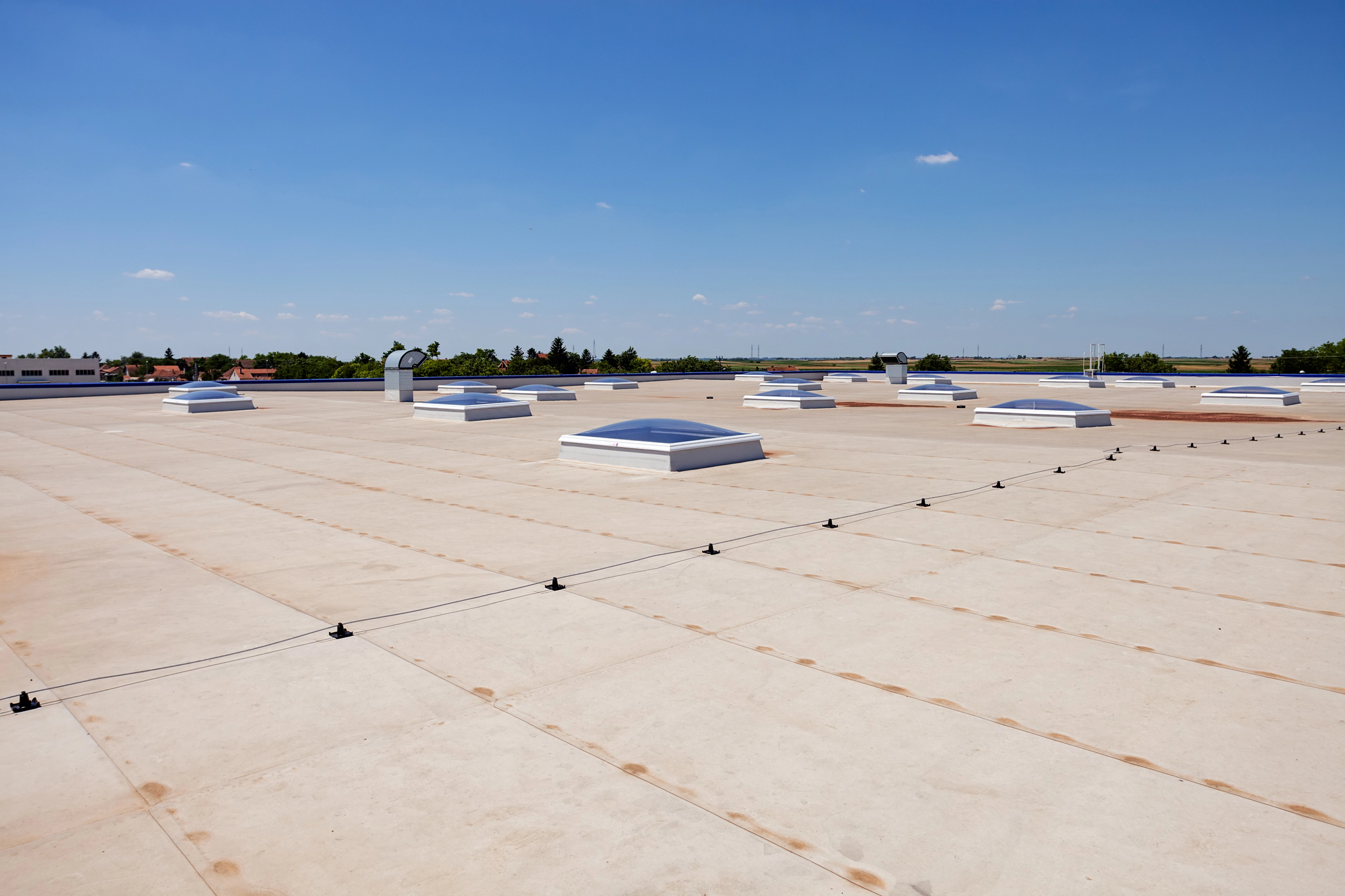
Extreme summer temperatures place commercial roofing systems under continuous stress. Daily expansion and contraction, prolonged UV exposure, and material aging all contribute to gradual deterioration that may go unnoticed until leaks, energy loss, or structural damage occur.
The good news is that many heat-related roofing problems are preventable. Routine inspections, timely repairs, and proactive maintenance can help extend the life of your roofing system while reducing the risk of unexpected disruptions to your business.
If your commercial property has been exposed to prolonged heat, severe weather, or years of seasonal temperature fluctuations, now is the ideal time to evaluate its condition.
Contact BlueTeam today to schedule a professional commercial roof inspection. Whether you need preventative maintenance, emergency repairs, comprehensive roofing solutions, storm damage restoration, or long-term facility support, our experienced team is ready to help protect your property and keep your operations running smoothly.