


March 31, 2026
Pre-Hail Season Inspections: What Commercial Roof Assessments Should Actually Include
Hail damage rarely starts with a dramatic failure. More often, it begins in places that were already under strain: an aging
Read More
Hail damage rarely starts with a dramatic failure. More often, it begins in places that were already under strain: an aging seam that has started to separate, flashing that has loosened around rooftop equipment, or a drainage area that has been slowing down. When impact occurs, existing conditions tend to dictate how far the damage spreads.
For commercial properties, that chain reaction can be difficult to control. A single compromised section can allow water intrusion to move beyond the commercial roofing system and into interior spaces, affecting operations, equipment, and tenant areas. What complicates matters further is that not all damage is immediately visible, making early assessment a critical step.
Pre-hail inspections are meant to uncover vulnerabilities before they are put to the test. However, the effectiveness of an inspection depends on how thoroughly the system is evaluated.
A quick walkthrough may identify obvious concerns, but it often leaves underlying issues unaddressed. A more detailed assessment provides a clearer picture of how the roof is likely to perform under stress.
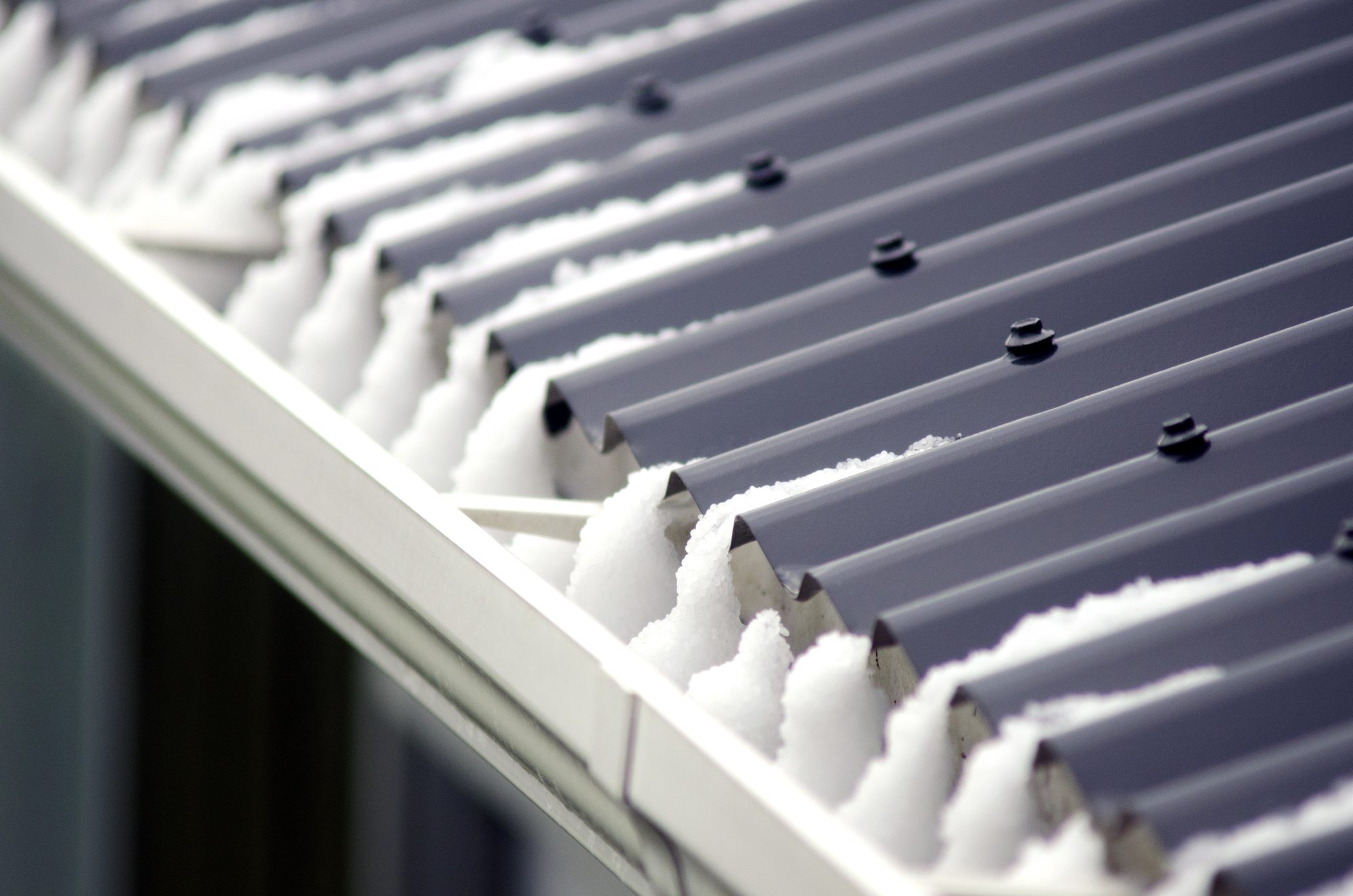
The impact of hail on commercial roofing systems can be significant, particularly when large surface areas and complex rooftop configurations are involved. Damage is not always easy to see, and deterioration may continue long after a storm has passed.
Without proper assessment, minor issues can develop into structural concerns or interior water damage.
From a financial perspective, early inspection and maintenance often result in lower repair costs. Preventative work is typically less disruptive than emergency response, and it allows for better planning and budgeting.
In addition, inspection records provide valuable documentation for insurance purposes. When a claim is filed, having clear, time-stamped evidence of pre-existing conditions can support faster processing and more accurate evaluations.
Commercial properties rely on consistent building performance. A compromised roof can lead to tenant complaints, equipment exposure, and safety concerns. By identifying vulnerabilities in advance, property teams are better positioned to maintain continuity during severe weather events.
The condition of the roof membrane is one of the most visible and critical aspects of any inspection. During the assessment, the surface should be carefully examined for cracks, punctures, blistering, shrinkage, and signs of aging. These conditions often indicate material fatigue and reduced resistance to impact.
Attention should also be given to previous repairs. Patches and sealants may degrade over time, and their effectiveness can be compromised if not properly maintained. Areas where repairs have been performed should be evaluated for adhesion, flexibility, and overall integrity.
Another key consideration is water behavior. Ponding water can accelerate membrane deterioration and increase the likelihood of leaks. Low-slope roofs are especially susceptible, and drainage patterns should be reviewed to ensure proper flow.
Early signs of weather-related wear, such as surface granule loss or minor indentations, should not be overlooked. While they may appear minor, they can worsen under hail impact, leading to more extensive damage.
Seams and transitions represent some of the most vulnerable points on a commercial roof. Separation or lifting at seams can allow water infiltration, particularly during heavy precipitation following a hail event. These areas should be inspected for continuity, adhesion, and signs of stress.
Flashing around penetrations, including HVAC units, vents, skylights, and exhaust systems, requires close evaluation. These components are designed to prevent water intrusion at openings, but they are frequently exposed to movement, temperature fluctuations, and mechanical stress.
Many leaks originate at transition points rather than across the main field of the roof. As a result, even minor deficiencies can lead to significant interior damage if not addressed.
Edge flashing and termination points should also be reviewed. Proper sealing and fastening are essential for maintaining system performance during severe weather conditions.
Effective drainage plays a critical role in roof performance, particularly during storm events. Internal drains, scuppers, and gutters should be inspected for blockages, damage, and proper alignment. Debris accumulation, such as leaves, dirt, or construction materials, can restrict water flow and lead to pooling.
Slope and grading should also be evaluated. Even slight deviations can result in standing water, which adds weight to the structure and increases the risk of membrane deterioration.
When hail is introduced, drainage issues can become more pronounced. Ice accumulation and debris displacement may further obstruct flow, increasing the likelihood of water intrusion.
Routine cleaning and minor adjustments can significantly improve drainage efficiency and reduce overall risk.
Commercial roofs often support a range of mechanical systems, including HVAC units, satellite equipment, and solar panels. Installations should be assessed for stability, proper mounting, and potential interaction with the roofing system.
Loose or improperly secured equipment can shift during severe weather, causing damage to the roof surface or nearby components. Mounting systems should be checked for corrosion, loose fasteners, and structural integrity.
The areas surrounding rooftop equipment should also be reviewed. Debris tends to accumulate around these structures, creating localized drainage issues and increasing the potential for damage during a hail event.
Coordination between roofing and mechanical systems is an important consideration. Any modifications or repairs should account for both performance and accessibility.
Not all roof damage is visible at the surface. Subsurface conditions, such as moisture intrusion, insulation degradation, and structural weakening, can significantly affect overall performance.
Soft spots or areas of reduced firmness may indicate underlying issues. They should be investigated further using appropriate diagnostic tools. Scanning can be used to detect moisture beneath the membrane, while core sampling may provide additional insight into material condition.
Moisture that becomes trapped within the roofing system can lead to mold growth, insulation breakdown, and reduced thermal efficiency. When combined with hail impact, these weakened areas are more likely to fail.
Addressing subsurface issues as soon as possible allows for targeted repairs and helps prevent more extensive damage during storm events.
Perimeter components, including coping, edge metal, and parapet walls, are essential for maintaining system stability. These elements are exposed to wind forces and can influence how the roof responds during severe weather.
Fastening systems should be inspected to ensure they remain secure. Loose or damaged edge components can allow wind uplift, which may lead to membrane displacement or detachment.
In many cases, damage begins at the edges and progresses inward. As a result, even minor deficiencies at the perimeter should be addressed promptly.
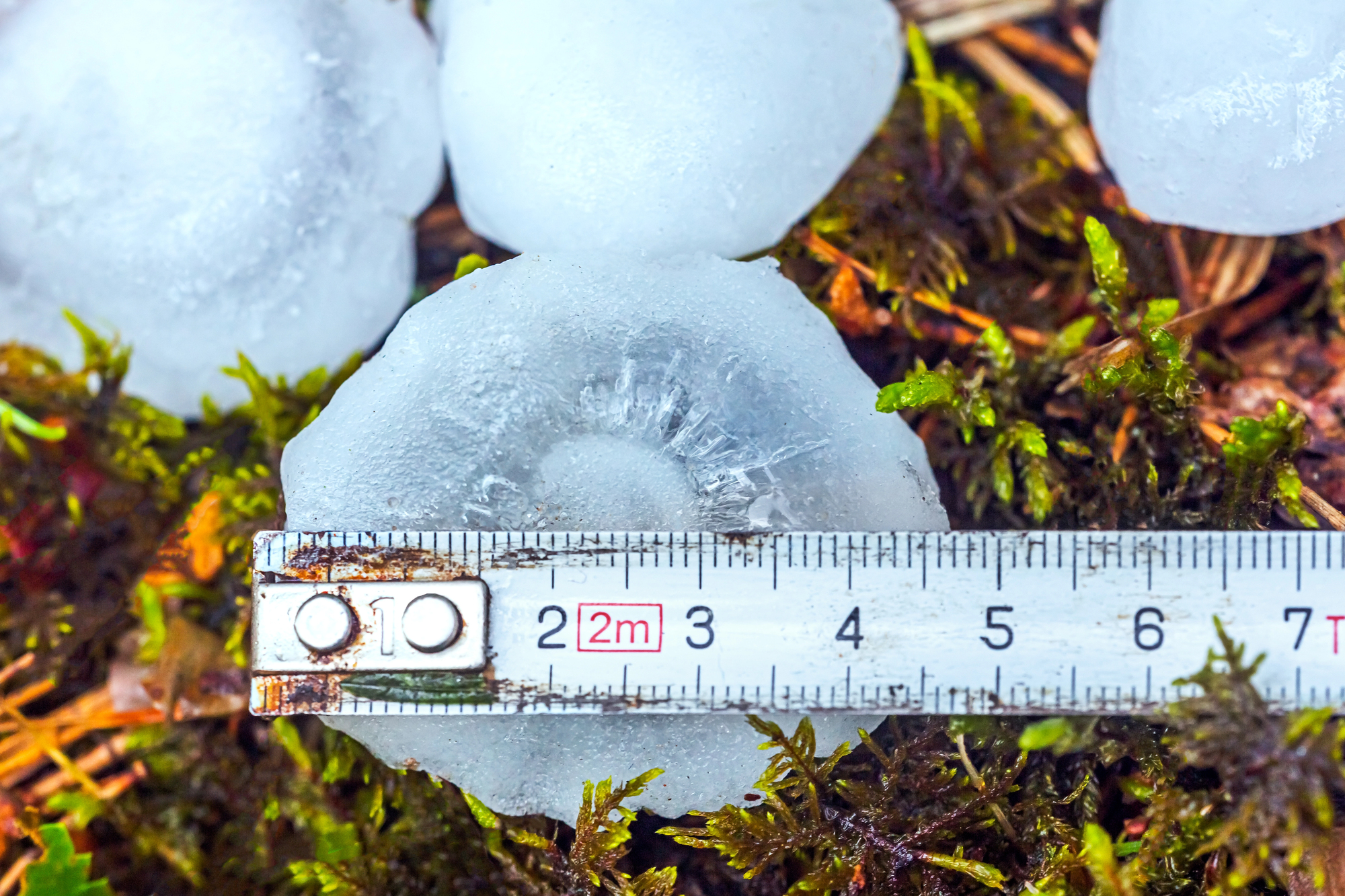
A thorough inspection should be accompanied by detailed documentation, which typically includes written reports, high-resolution photographs, and clearly identified areas of concern. Findings should be organized in a way that allows for easy review and prioritization.
Recommendations should be provided based on severity, with distinctions made between immediate repairs, short-term maintenance, and long-term planning. Being detailed supports informed decision-making and efficient resource allocation.
Documentation also serves as a baseline for future comparisons. When post-storm inspections are conducted, having a clear record of pre-existing conditions can simplify the claims process and reduce disputes.
Digital reporting tools have made it easier to track inspection data over time. For property managers overseeing multiple locations, centralized access to information can improve oversight and coordination.
Pre-hail inspections are widely recommended, but the level of detail can vary more than expected. One of the most common gaps is the reliance on quick visual checks, which may catch obvious damage, but often miss what’s happening beneath the surface.
Subsurface evaluation is another area that gets overlooked. Without diagnostic tools, moisture intrusion and insulation damage can stay hidden until they turn into larger issues.
In some cases, teams document findings but stop short of turning them into clear next steps. Recommendations may be listed, but without prioritization or follow-up, important repairs can slip through the cracks.
Documentation can also fall short. Limited photos or vague notes make it harder to support insurance claims or track changes over time.
A more thorough, structured approach helps close these gaps and gives property teams a clearer path from inspection to action.
Assessments should be scheduled well in advance of peak hail season, allowing sufficient time for repairs and adjustments.
For many properties, an annual inspection is recommended. However, buildings with higher exposure or previous damage may benefit from more frequent evaluations.
Owners should also schedule inspections after significant weather events, even outside of hail season. Ongoing monitoring supports early detection and helps maintain system performance.
The involvement of experienced professionals can enhance the quality and consistency of roof inspections. A structured approach to assessment, combined with technical expertise, allows for more accurate identification of risks and more effective planning.
Integration between inspection, reporting, and repair coordination is often beneficial. When all services are aligned, communication is streamlined, and response times are reduced.
Ongoing monitoring and weather tracking can provide additional support. By staying informed about approaching conditions, property teams can take proactive steps to protect assets and minimize disruption.
Professional oversight also ensures that industry standards and best practices are followed, reducing the likelihood of oversight or incomplete evaluation.
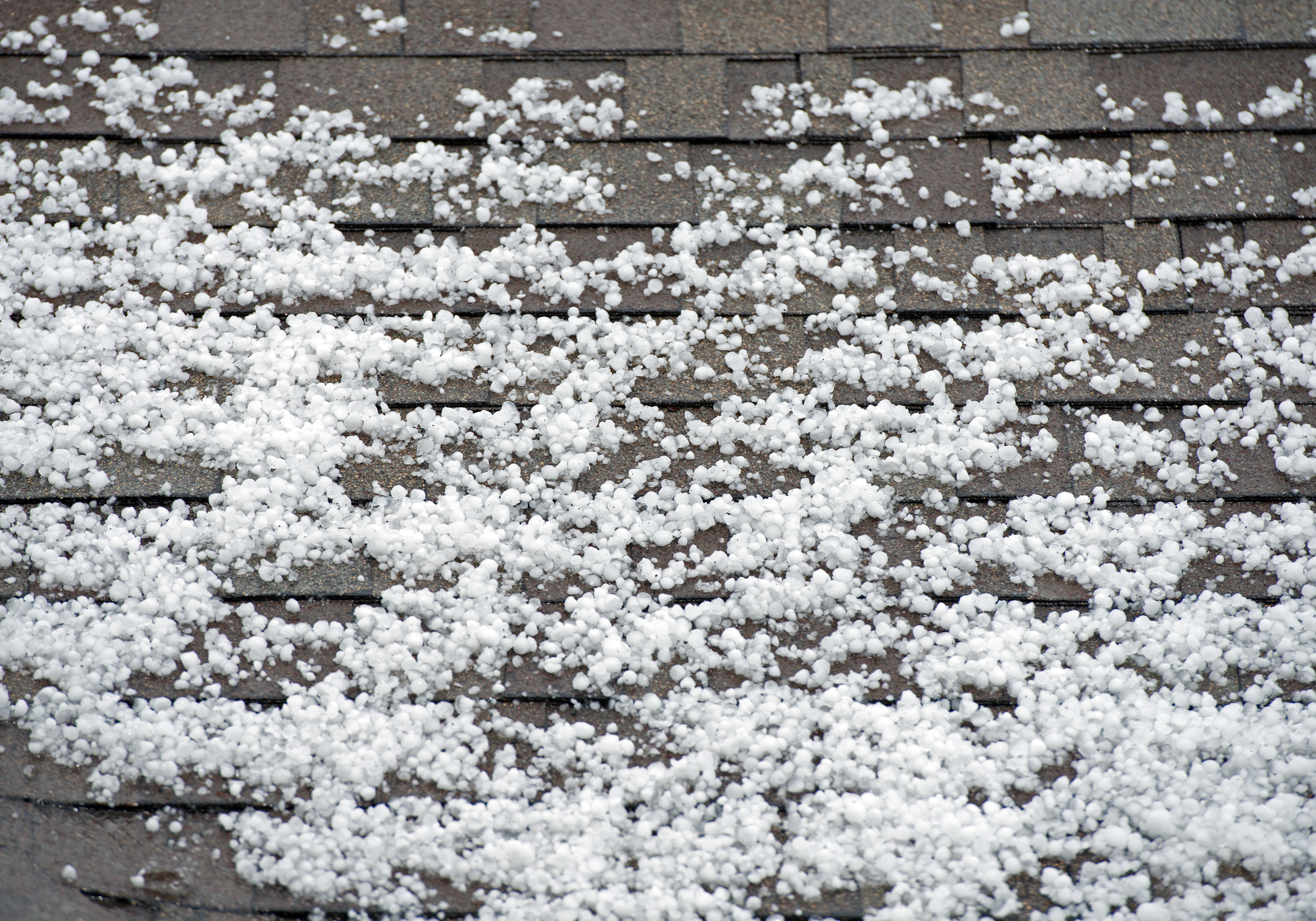
Preparation starts with a clear understanding of your roof’s condition. BlueTeam provides comprehensive inspections, detailed reporting, and coordinated solutions designed for commercial properties. From proactive assessments to repairs, roofing systems, and full-scale restoration, every service is delivered with precision and accountability.
Connect with our experts to schedule a pre-hail inspection and ensure your property is ready for the season ahead.