

April 30, 2026
From Weather Alerts to Action Plans: Closing the Gap Between Forecasts and Field Response
A severe weather alert is issued. Notifications are sent. Dashboards light up with warnings. Yet, at the property
Read More
Winter conditions like snow and ice create a very different operating environment for roofs and exterior systems than rain or warm weather ever do. Weight shifts across roof surfaces, drainage slows or stops, and heat loss from inside the property begins to influence how snow melts and refreezes.
On flat and low-slope commercial roofs, snow tends to collect around rooftop equipment, parapet walls, and drainage points. Ice can form where meltwater has nowhere to go, placing added stress on membranes, seams, and flashing.
Along building edges and façades, refreezing water can affect joints, fasteners, and exterior finishes while also creating safety concerns at ground level.
Snow and ice management is intended to control winter conditions before they begin working against the building. Through commercial roofing services, monitoring, planned removal, and attention to drainage and exterior details, winter strain can be managed rather than endured.
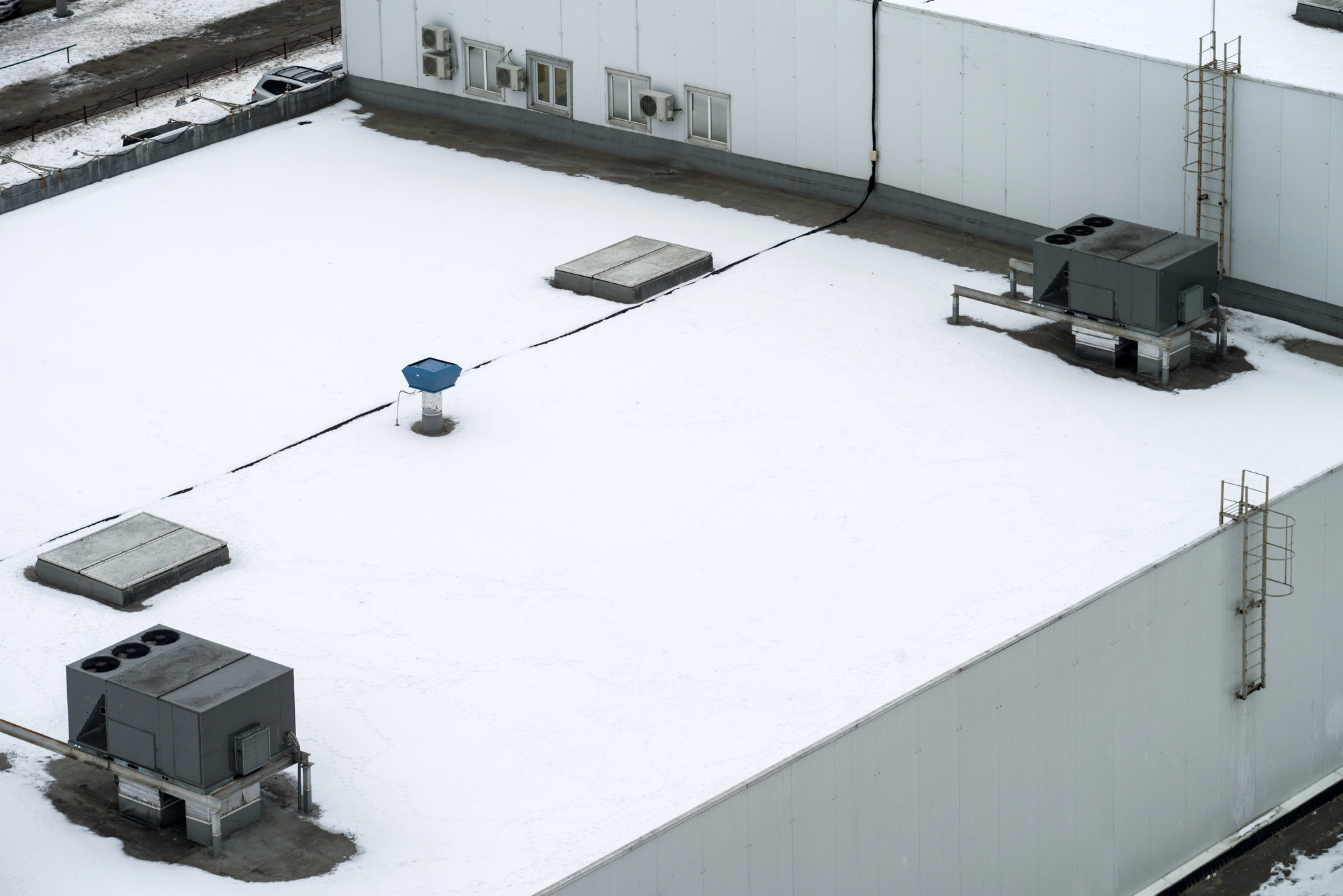
Snow accumulation creates vertical loading that must be supported by the roof structure below. On commercial buildings, particularly those with flat or low-slope roofs, snow tends to accumulate unevenly.
Drifts often form around rooftop units, parapet walls, and elevation changes, leading to localized stress concentrations instead of uniform distribution.
As snow compacts and absorbs moisture, its weight increases. Ice formation further adds to that load. While many roofs are engineered to handle snow loads within regional design standards, prolonged accumulation without removal can push systems closer to their tolerance limits.
Subtle deflection, membrane stretching, and seam stress may occur long before visible signs of damage appear.
Beyond weight, temperature fluctuation introduces another layer of stress. During freeze–thaw cycles, trapped moisture expands and contracts repeatedly. Roofing membranes, flashing, sealants, and fasteners are particularly susceptible to this movement.
Over time, micro-cracking and loss of adhesion may develop. These conditions often remain undetected during winter months, only to reveal themselves later as leaks or material failures during spring thaw or heavy rainfall.
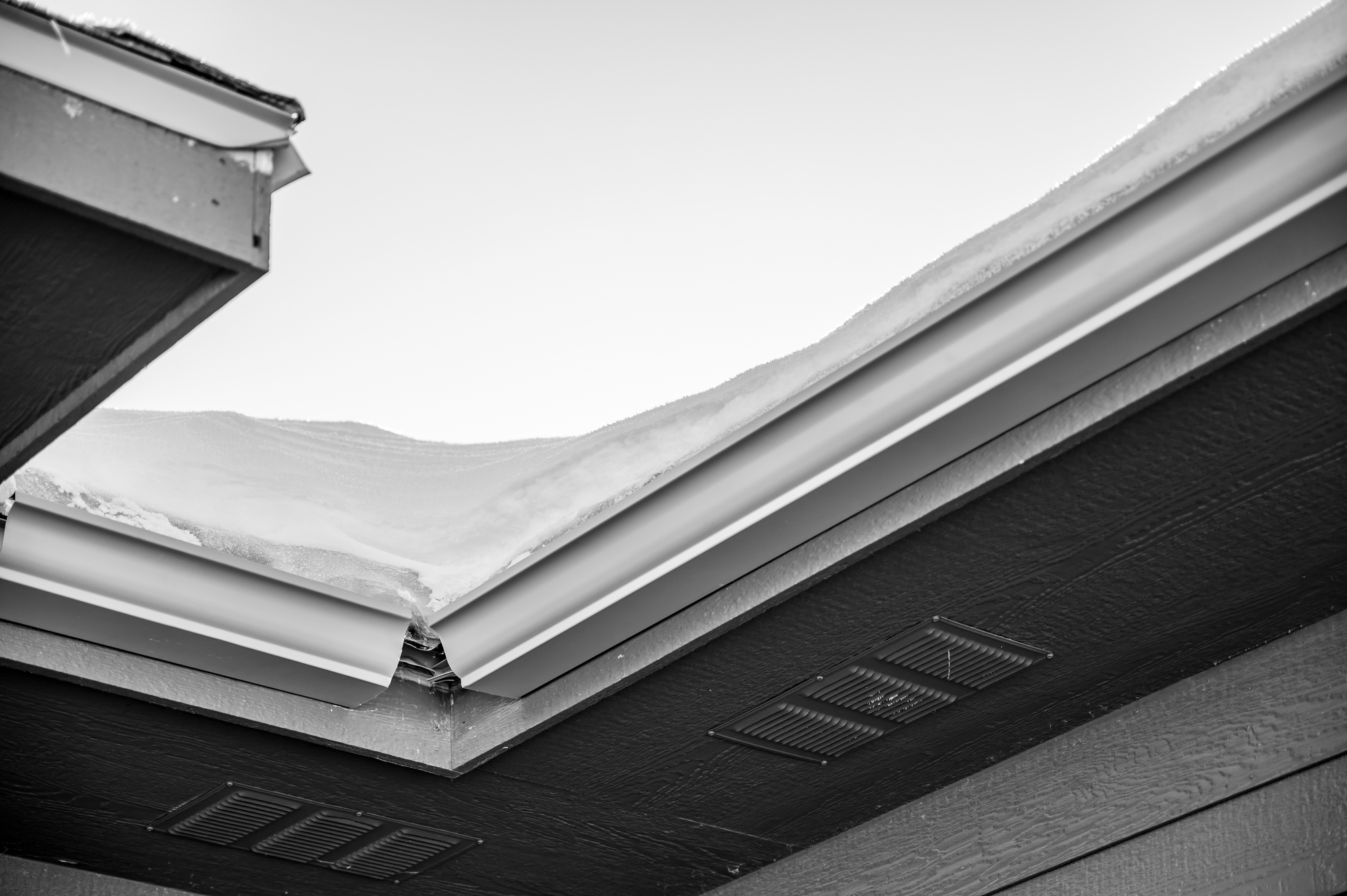
Snow and ice management extends beyond the roof surface itself. Parapet walls, façades, soffits, and overhangs are also affected. Ice dams and blocked drainage can force meltwater back toward the building envelope, increasing the risk of moisture intrusion.
When water is allowed to refreeze along edges or within joints, gradual separation of materials may occur. That degradation often progresses quietly, becoming costly by the time corrective action is required.
Flat and low-slope roofs are common across commercial properties due to their cost efficiency and usable surface area. However, these systems depend heavily on proper drainage.
During winter, drains and scuppers may become obstructed by snow, ice, or debris. Ponding water that refreezes adds weight and creates uneven pressure across the membrane.
Prolonged exposure can accelerate membrane fatigue and compromise seams, particularly in areas where insulation has settled or structural slopes have shifted over time.
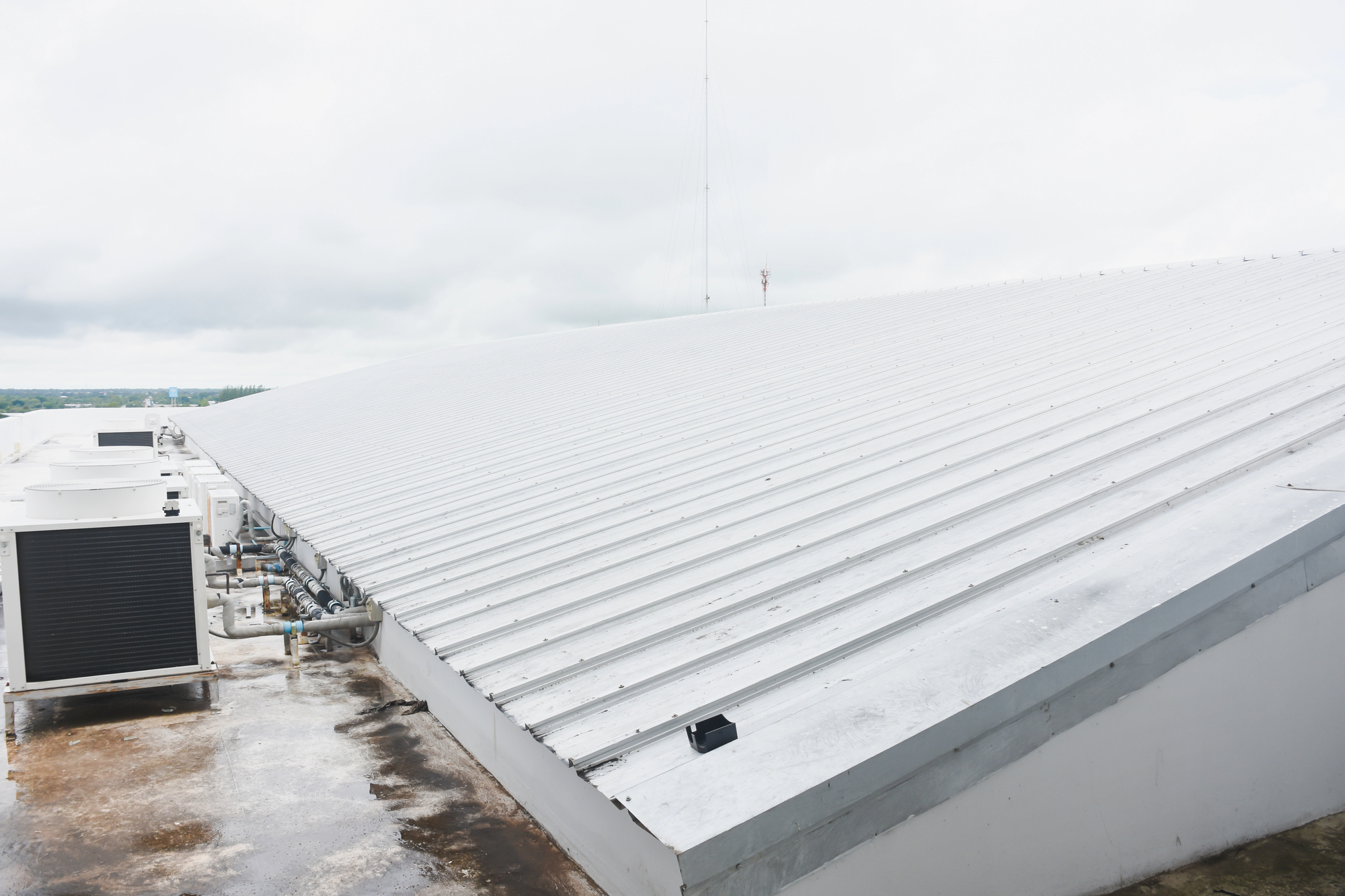
Metal roofs respond differently to winter conditions. Snow tends to shed more easily from metal surfaces, which can reduce sustained load but introduce other concerns. Sliding snow and ice can strain fasteners, seams, and snow retention systems.
Ice formation around penetrations and panel joints may also occur, especially when heat loss from the building accelerates melting and refreezing. Over time, movement at connection points can increase, leading to loosening or seal failure.
Materials nearing the end of their service life often have reduced elasticity and diminished resistance to movement. Under winter conditions, such limitations become more apparent.
Minor vulnerabilities that may have remained stable during milder seasons can be amplified by snow load and freeze–thaw activity. As a result, winter frequently exposes issues that were already developing.
Emergency repairs during winter are often more expensive, less efficient, and more disruptive. Access limitations, safety concerns, and weather delays frequently complicate response efforts.
In many cases, temporary measures are implemented until conditions improve, allowing underlying damage to persist.
Reactive maintenance also increases the likelihood of business interruptions and liability exposure. Interior leaks, falling ice, and structural concerns can affect occupants, customers, and pedestrians, particularly in high-traffic commercial environments.
Preventive snow and ice management is centered on planning, monitoring, and timely intervention. Pre-winter inspections allow existing conditions to be documented and vulnerabilities to be addressed before snow accumulation begins.
Throughout winter, monitoring of snow depth, drainage performance, and temperature trends supports informed decision-making regarding removal thresholds.
Rather than waiting for visible distress, action is taken based on load considerations and system design.
Effective winter management requires coordination across roof surfaces, building exteriors, and ground-level conditions. Meltwater must be guided safely away from the structure, and exterior components must be monitored alongside roofing systems.
Clear communication between property managers, maintenance teams, and commercial contractors ensures that responsibilities are aligned and that response plans are understood before winter conditions intensify.
Snow removal must be performed in a manner that protects both the roofing system and the personnel involved. Improper techniques can cause membrane punctures, coating damage, or displacement of protective components.
Professional crews use tools and methods designed for commercial roofing surfaces, allowing snow to be reduced without direct contact with vulnerable layers.
Emphasis is placed on controlled removal and not complete clearing, particularly where protective snow layers help moderate temperature fluctuations.
Removal decisions are guided by roof design, structural capacity, and observed accumulation patterns. Snowfall totals provide context, but weight and distribution drive removal decisions.
Uneven loading, drifting, and blocked drainage are often stronger indicators for intervention than depth alone. In many cases, selective removal in high-stress areas provides effective relief without unnecessary disturbance to the entire roof surface.
Ice presents unique challenges. Mechanical chipping and aggressive chemical treatments are often counterproductive, as they can damage membranes, coatings, and metal components.
Instead, ice management focuses on relieving pressure points, restoring drainage paths, and reducing refreezing conditions. Controlled methods are used to address buildup while preserving system integrity.
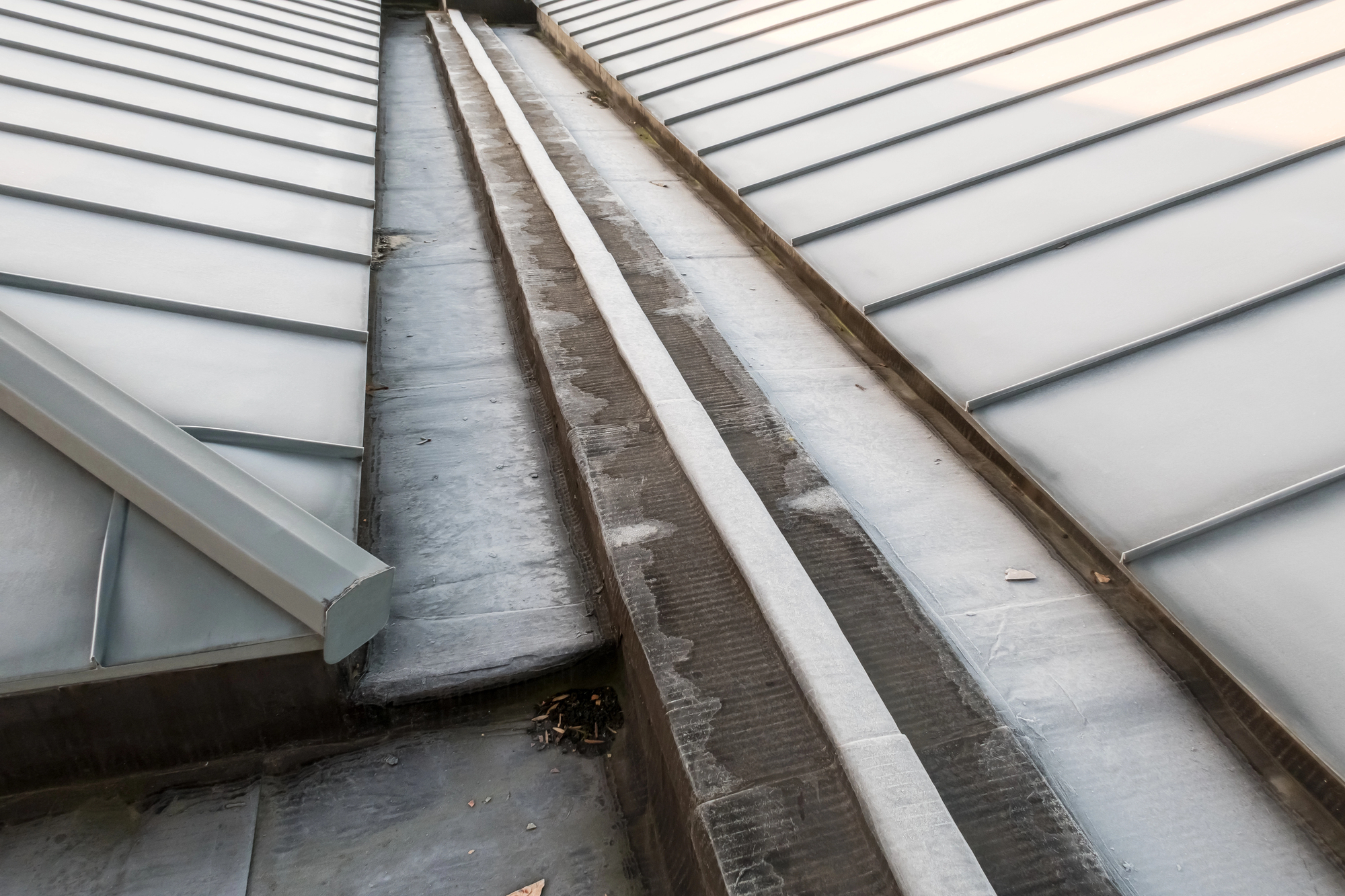
Drainage performance is critical during winter thaws. As snow melts, water must be allowed to exit the roof efficiently. When drains and scuppers remain obstructed, water can back up and refreeze, compounding load issues.
Regular inspection and clearing during thaw periods help prevent interior moisture intrusion and structural stress. Attention is given not only to roof drains but also to downspouts and ground-level discharge points.
Icicles and overhang ice formations pose safety risks and signal underlying drainage or insulation issues. Their presence often indicates that meltwater is refreezing along building edges rather than draining as intended.
By addressing these conditions early, risks to pedestrians and façade materials can be reduced. Protective measures also help maintain architectural elements that are often costly to repair or replace.
Roof meltwater ultimately reaches the ground, where it can refreeze near foundations, entryways, and loading areas.
Coordination between roof management and site maintenance ensures that water is directed away from critical zones and does not contribute to secondary hazards.
A structured winter roof care plan starts with thorough inspections and clear documentation. Teams assess existing conditions, verify drainage paths, and record known vulnerabilities to establish a reliable baseline for seasonal decision-making.
By addressing minor repairs and adjustments before winter, the likelihood of mid-season complications is significantly reduced.
Ongoing winter oversight benefits from experienced commercial roofing support. Trained professionals understand system-specific tolerances, regional weather patterns, and safe intervention practices.
Through scheduled monitoring and responsive service, winter-related stress can be managed without unnecessary disruption.
A partnership also supports long-term planning by identifying trends and recurring concerns across seasons.
Preventive winter management contributes to extended roof service life, improved budget predictability, and reduced emergency exposure. Instead of reacting to failures, resources are allocated strategically, supporting overall property performance.
Snow and ice management is an essential component of commercial property care. Through an understanding of winter-related stressors, roof-specific vulnerabilities, and preventive strategies, long-term damage can be limited and operational continuity can be preserved.
By approaching winter as a predictable condition rather than an unpredictable threat, commercial buildings can be better protected, and costly repairs can often be avoided.
For property owners and facility managers seeking reliable winter roof care, proactive planning and experienced oversight make a measurable difference. BlueTeam provides comprehensive roofing solutions, restoration services, and preventive maintenance support designed to protect commercial properties year-round.
Contact BlueTeam today to schedule a winter readiness assessment or to learn more about commercial roofing, restoration, and long-term property care strategies.