


April 30, 2026
From Weather Alerts to Action Plans: Closing the Gap Between Forecasts and Field Response
A severe weather alert is issued. Notifications are sent. Dashboards light up with warnings. Yet, at the property
Read More
Storm damage has become an increasingly common threat for commercial property owners. As extreme weather events grow more frequent and intense, buildings are exposed to greater risks—especially at the roof level, where wind uplift, hail impact, and water infiltration can quickly lead to major structural and operational issues.
While insurance is designed to provide financial relief, navigating the claims process without expert guidance often results in underpaid or denied settlements. Commercial metal roofing and other roof systems are complex, and identifying storm-related damage requires more than a visual check or a quick call to the insurer.
The key to a full recovery lies in a strategic approach: professional inspections, thorough documentation, and knowledgeable representation throughout the insurance adjustment process.
With the right support, property owners can avoid delays, strengthen their claims, and secure the funds needed to restore their buildings correctly.
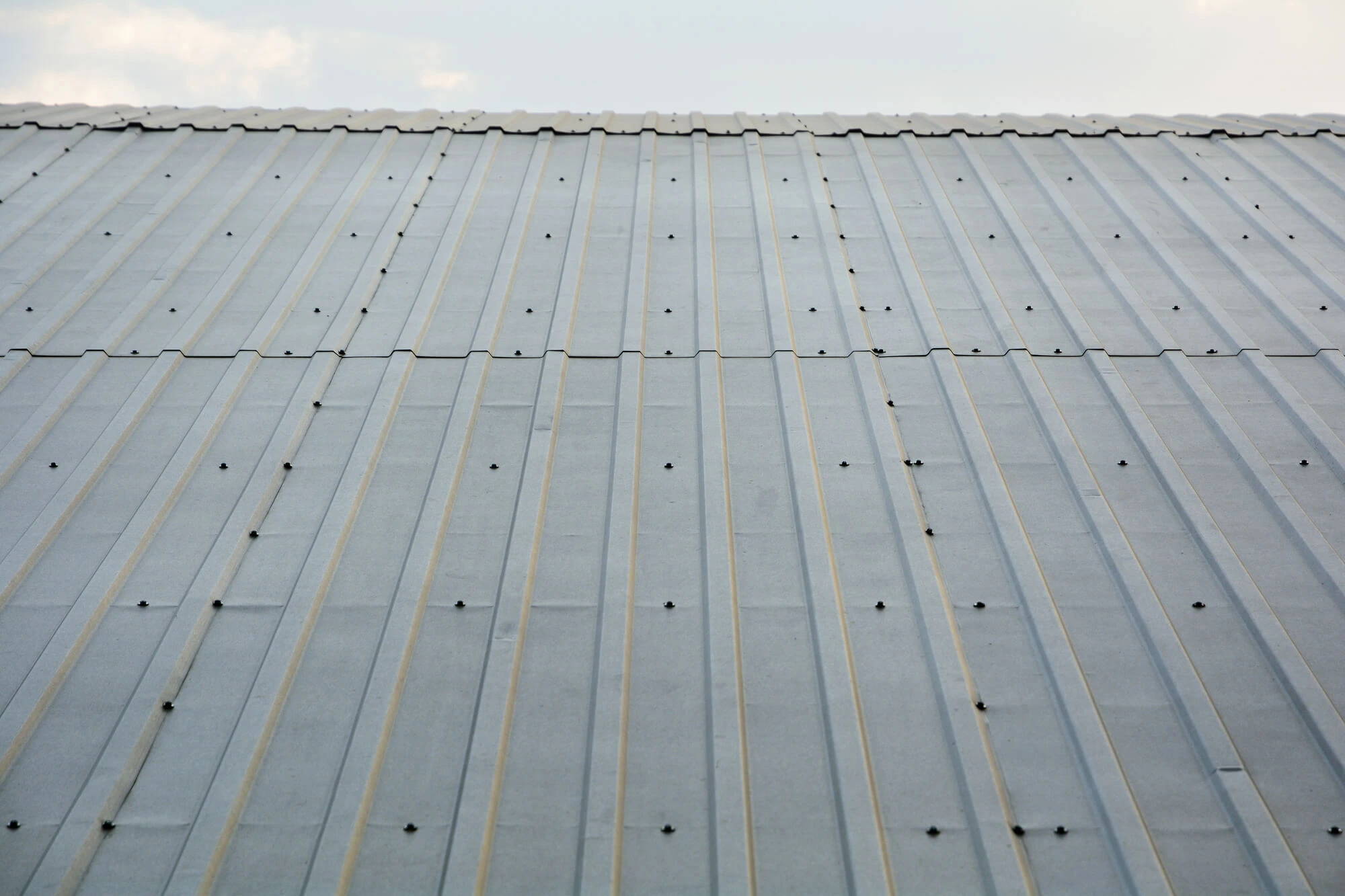
Storms and hurricanes can compromise commercial roofing systems in multiple ways, often with damage that isn’t immediately visible from the ground.
While flat and low-slope roofs are designed to withstand weather exposure, their large surface areas and complex drainage systems make them particularly vulnerable to storm-related issues.
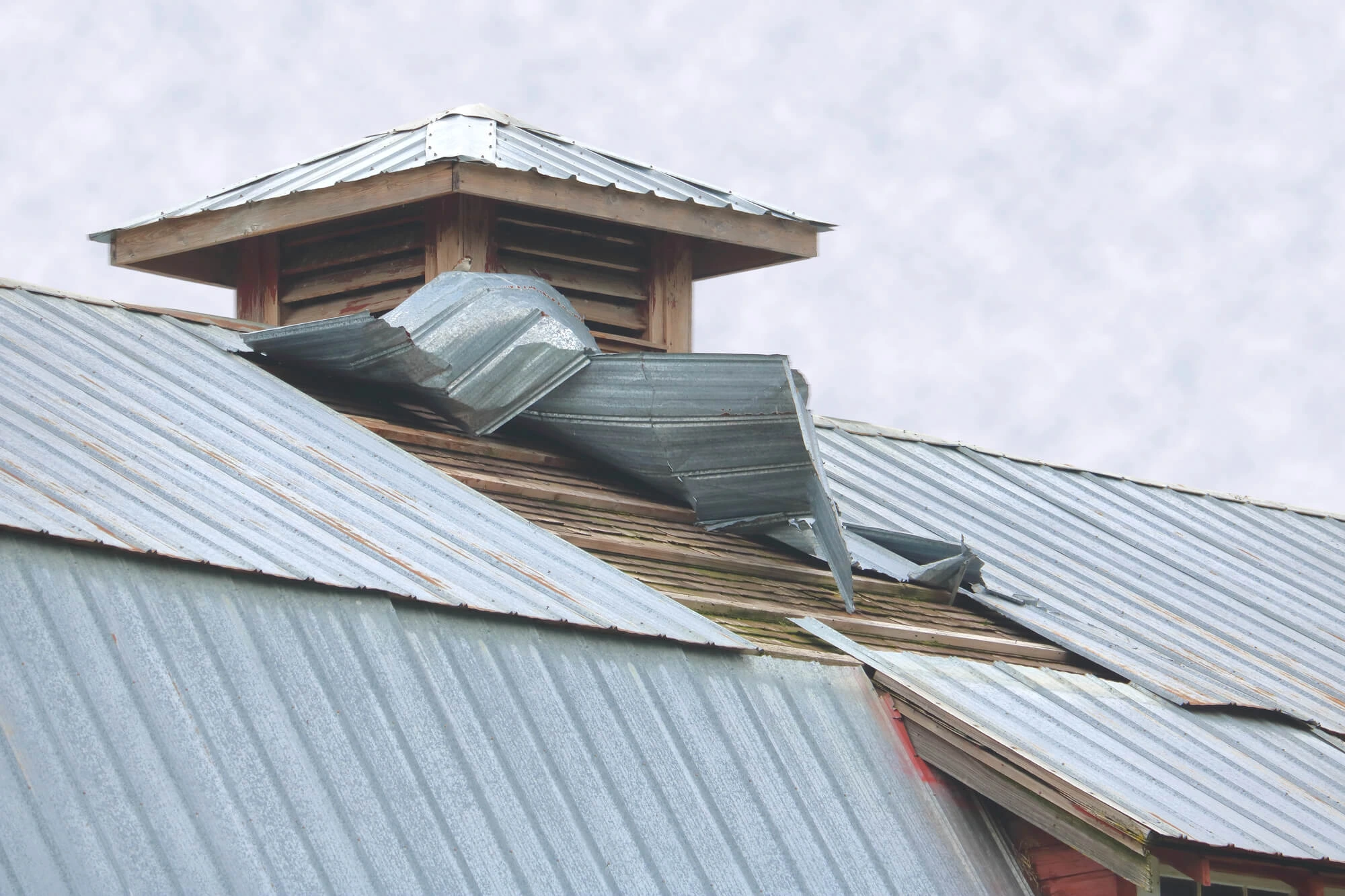
High winds can create negative pressure across a roof’s surface, leading to partial or complete uplift of the membrane or roofing panels. In mechanically attached systems, fasteners may be loosened or torn away, leaving seams and insulation exposed.
Even if the outer layer remains intact, wind stress can weaken the system over time, making it more susceptible to future failures.
Hailstones vary in size and density, but even moderate impact can bruise insulation, fracture membranes, or dent metal panels. Granule loss on modified bitumen or built-up roofs is also common, reducing UV protection and accelerating aging.
In single-ply systems, hail can cause punctures that allow water infiltration long after the storm has passed.
Improper drainage or clogged scuppers can lead to water accumulation—also known as ponding—on flat roofs. Prolonged standing water increases the risk of leaks, membrane degradation, and microbial growth.
Once water enters the roofing system, it can saturate insulation, corrode metal decking, and impact interior systems such as ceilings, wiring, or HVAC.
Flashing, coping, and edge metal are often the first components to fail during a storm. When displaced or damaged, these elements expose vulnerable areas to moisture intrusion and structural weakening.
In many cases, damage to perimeter components leads to progressive interior damage if not addressed.
Commercial property insurance policies are structured to provide coverage for unexpected, sudden, and accidental damage, including that caused by wind, hail, and water intrusion.
However, policy interpretation can become complex when distinguishing storm-related destruction from pre-existing conditions or deferred maintenance.
A clear understanding of policy language is critical. Two key valuation terms often appear:
Additional scrutiny is often placed on deductibles—most notably percentage-based wind or hail deductibles—and limitations based on roof age, type, or installation method.
Documentation of the condition prior to the event and professional reporting at the time of the loss are both essential to resolving disputes over scope, cause, and value.
Starting a commercial insurance claim after storm damage can be overwhelming, even more so for property owners unfamiliar with the process. While coverage may be in place, certain missteps can still lead to delays, denials, or underpaid settlements.
One of the most frequent and costly errors is waiting too long to act. Damage that seems minor—or is entirely out of sight—often worsens over time.
Many policies include strict timelines for reporting losses. Missing those deadlines, or allowing too much time to pass before documenting damage, can raise red flags with insurers and lead to denial based on neglect or “failure to mitigate.”
Insurance adjusters are trained professionals, but they aren’t roofing contractors or engineers.
Relying solely on an adjuster’s inspection without an independent assessment can result in critical issues being overlooked, especially when damage is hidden beneath the surface or affects secondary systems like HVAC curbs, skylights, or interior framing.
Bringing in a restoration contractor only after claim approval often means starting from a disadvantage.
Early involvement allows the contractor to inspect, document, and present the full scope of storm-related damage from the start, helping to build a stronger case and avoid back-and-forth revisions with the insurer.
Claims supported only by general photos or vague descriptions are more likely to be underpaid.
Without high-quality images, written assessments, and a clear link between storm activity and specific damages, it becomes harder to justify repair or replacement costs. Insufficient documentation also opens the door to disputes over cause and extent.
Commercial roofs involve different materials, fastening systems, and drainage designs than residential structures. They also impact tenants, equipment, and ongoing operations in ways that require a more strategic approach.
Applying a residential mindset to a commercial claim can result in oversimplified scopes, missed line items, and incorrect assumptions about timelines and coverage.

A successful resolution of a storm-related claim involves multiple stages, each requiring technical precision, organized documentation, and strategic communication.
BlueTeam provides end-to-end support throughout the entire process, from the initial inspection to final project closeout.
Upon request, BlueTeam dispatches trained professionals to perform a thorough inspection of the roofing system and any other exterior and interior components impacted by hail, wind, or water.
Damage is assessed using industry-standard criteria, with emphasis on identifying both obvious and latent structural issues. Supporting photographs may be utilized to compile a comprehensive report.
An initial evaluation forms the basis for the insurance claim and helps establish a baseline condition of the property, supporting accurate valuation and justifying the scope of repairs required.
Following the execution of a contingency agreement, BlueTeam becomes the authorized representative for the commercial property owner in all matters related to the insurance claim.
The first critical step involves assisting the property owner in filing the claim with their insurance carrier. Participation helps clarify the scope of the loss and ensures all necessary information is conveyed to initiate the claim correctly.
The process also helps reduce confusion or miscommunication during early claim intake, which can otherwise cause delays in assigning an adjuster or reviewing the file.
After claim initiation, BlueTeam schedules an on-site meeting with the assigned insurance adjuster. During this inspection, all gathered evidence, including photographic documentation and structural assessments, is presented for review.
Our experts advocate for a comprehensive inspection that also includes ancillary damage to exterior systems, interior components, and mechanical units that may have been affected indirectly.
The presence of a knowledgeable contractor at this stage ensures no damage is overlooked and that line items are not dismissed due to misinterpretation or underdocumentation.
A critical component of successful claim resolution is the development of a line-by-line scope of work. BlueTeam uses the same estimating software adopted by the insurance industry, ensuring compatibility with insurer systems and greater alignment in pricing.
This step promotes transparency, minimizes the likelihood of disputed pricing, and allows for quicker approval by insurance carriers. It also establishes a clear roadmap for execution once work is authorized.
Following claim approval, BlueTeam initiates a pre-construction meeting with the commercial property owner to review the scope of work, set expectations, and gather any special requirements or concerns.
Thanks to this stage, property owners remain informed and involved without becoming overwhelmed by the logistics of large-scale restoration.
Throughout the restoration process, BlueTeam provides consistent updates to the commercial property owner or any designated point of contact. Project managers remain accessible and responsive to ensure ongoing transparency.
Such a level of oversight allows business continuity planning, accurate budget forecasting, and assurance that work is being executed per industry standards.
At the conclusion of construction, BlueTeam conducts a final walkthrough with ownership to review all completed work and address any remaining questions. Upon confirmation of completion, manufacturer warranty certificates are secured and provided.
A final project summary is also delivered, detailing all activities performed from start to finish.
Documentation serves both as a compliance record and a reference for any future assessments, lease negotiations, or building appraisals.
Large-scale weather events often produce widespread damage across entire regions, placing strain on local contractors and creating delays in claims processing. BlueTeam's national presence allows for rapid mobilization, standardized reporting, and experienced personnel deployment regardless of location.
Familiarity with regional codes, insurance carrier protocols, and complex building systems allows for accurate, efficient claim handling.
For property managers responsible for portfolios across multiple markets, the ability to coordinate from a single point of contact offers significant administrative relief and consistency in quality.
Finally, working with a contractor capable of performing inspections, managing insurance interaction, executing restoration, and supplying post-project documentation reduces the potential for miscommunication and liability.
Contact BlueTeam today to schedule an inspection for your commercial metal roofing system or other roofing types—either before or after a storm. Our technical expertise, in-depth documentation, and insurer-aligned processes give you the greatest chance of receiving the full funds owed under your policy.
From preventive strategies and assessments to emergency restoration and roof replacement, BlueTeam is your trusted partner in every phase of storm preparedness and recovery.