

February 28, 2026
Deferred Maintenance vs. Strategic Repairs: Preventing Costly Building Failures
A small crack in a façade, a deteriorating roof membrane, or a leaky window frame might seem minor when reviewing a
Read More
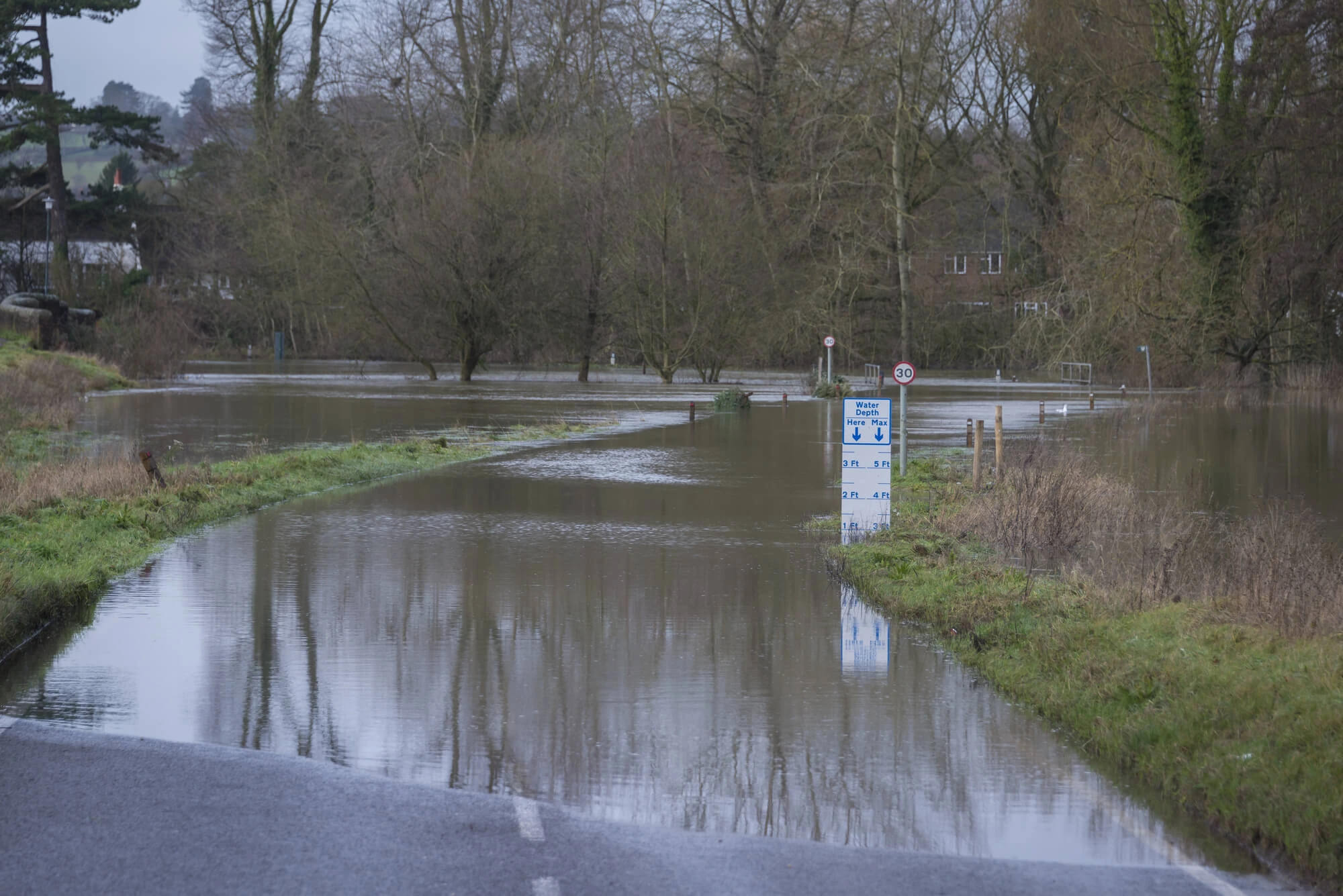
Hurricanes are becoming more frequent and intense, and with them, the risk of flooding increases. According to NOAA, there is a 60% chance of an above-normal hurricane season this year, with 6 to 10 hurricanes and 3 to 5 major hurricanes forecasted.
Flood zones are critical in determining a property’s flood risk, influencing everything from insurance requirements to construction standards. But flood threats don’t stop at the boundaries of high-risk zones. Even businesses in lower-risk areas can face serious damage from storm surges, unexpected rainfall, or poor drainage systems.
Protecting your commercial property from hurricane flooding requires more than just understanding your flood zone. It demands a comprehensive approach, including proactive planning, effective flood-proofing measures, and a responsive commercial flood restoration strategy that minimizes disruption and protects your business.
Prepare now, and you'll be ready for whatever the season brings.
Flood zones are geographical areas that are classified based on their level of flood risk. They are typically defined by the Federal Emergency Management Agency (FEMA) and are used for determining flood insurance requirements and setting construction standards.
FEMA categorizes flood zones using a variety of designations, with the most common being:
While FEMA’s flood-zone maps provide valuable information, the risk of flooding is also influenced by the geography and topography of a given area.
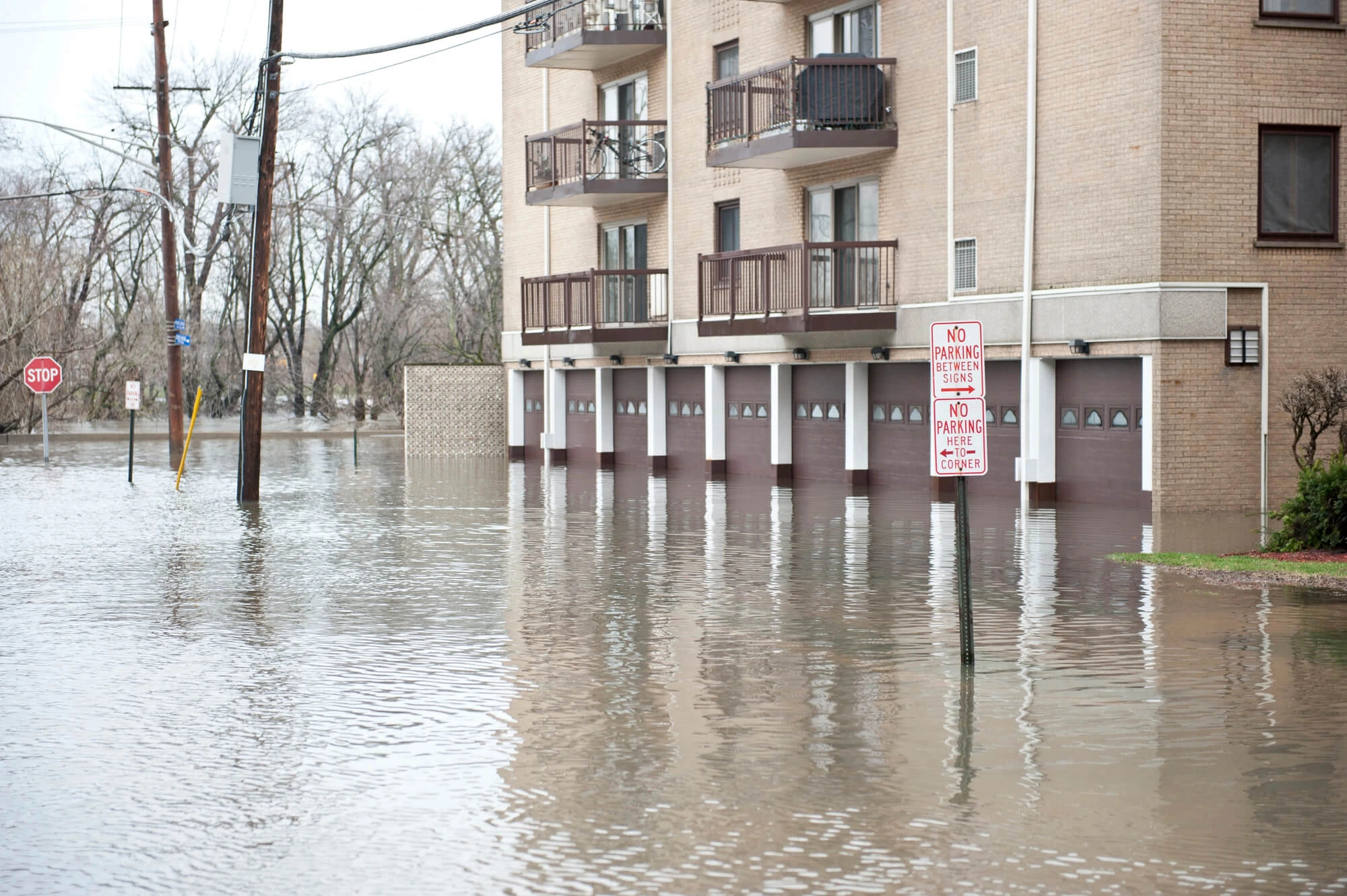
Coastal properties are at higher risk for storm surges, which can cause rapid and severe flooding. Similarly, properties located near rivers or in low-lying areas are more likely to experience riverine flooding during heavy rainstorms.
Urban areas with inadequate drainage systems may also face flood risks due to water runoff and overwhelmed stormwater systems.
One of the most significant misconceptions about flood zones is that low-risk areas are immune to flooding. In reality, flooding can occur in any zone due to factors such as poor drainage, unexpected heavy rainfall, or rising water levels from nearby rivers or oceans.
Even properties outside of mapped high-risk areas may experience significant flood damage, particularly during extreme weather events like hurricanes.
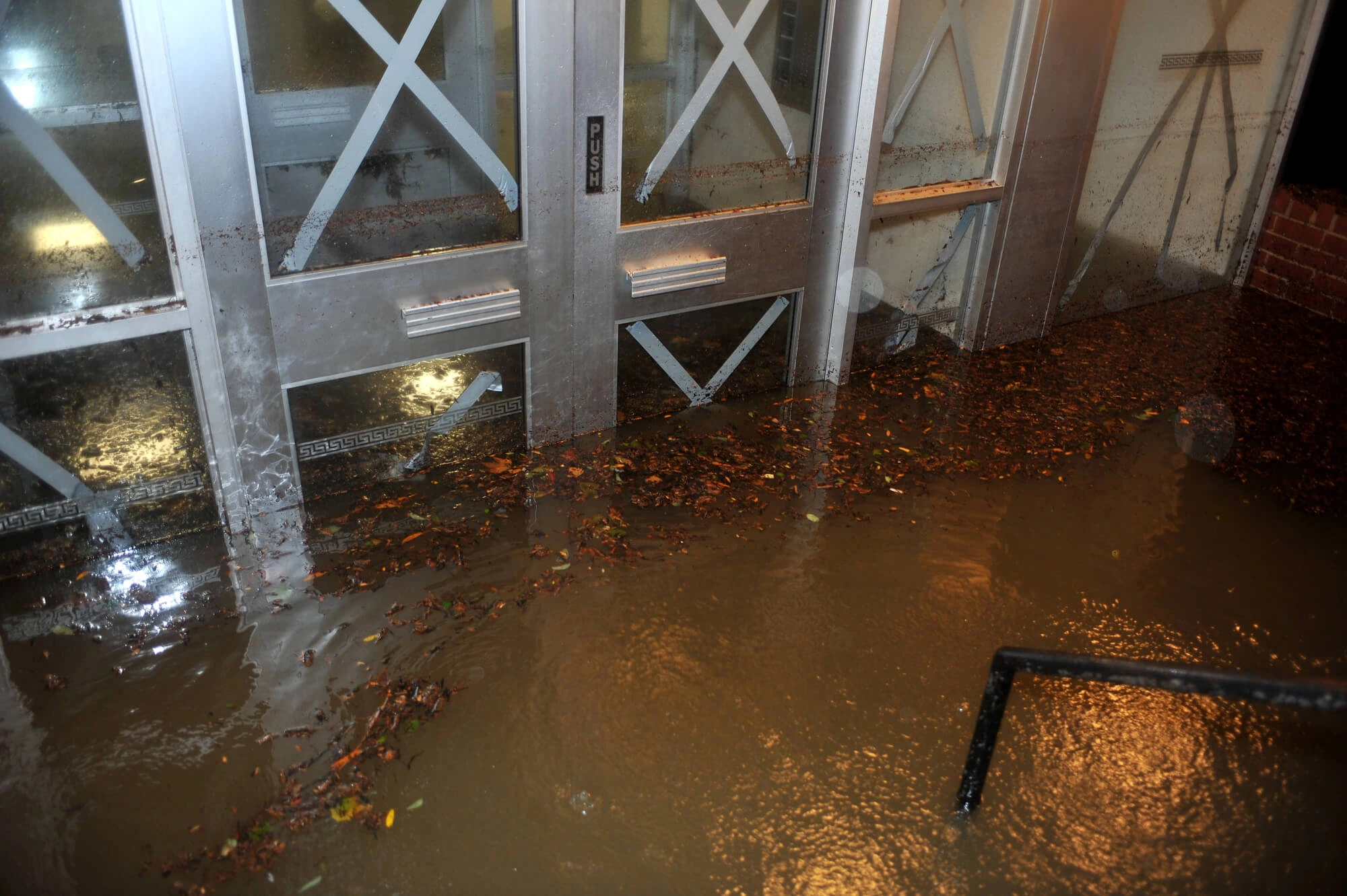
Floods can cause significant structural damage to commercial properties. The force of floodwaters can lead to foundation erosion, damage to walls, and even collapse in severe cases.
Water can seep into building materials such as drywall, insulation, and flooring, leading to long-term mold and mildew problems. Electrical systems, HVAC units, and other essential infrastructure can also be damaged, leading to costly repairs.
In addition to physical damage, flooding can disrupt business operations for extended periods of time. Flooded properties often require weeks or even months of repairs, causing business downtime and revenue loss.
The longer it takes to recover, the higher the operational costs for business owners.
Flood insurance is typically mandatory for properties in high-risk flood zones (Zones A, AE, and VE), but it is also advisable for properties in lower-risk areas.
Standard commercial property insurance policies don’t cover flood damage, so a separate flood insurance policy is necessary for protection.
The cost of flood insurance varies depending on the flood zone and the property’s risk level. While premiums for high-risk zones may be higher, the protection they provide is invaluable when facing a hurricane or other extreme weather event.
Flood-prone areas are subject to specific building codes designed to minimize the damage caused by flooding. Such regulations may require properties to be elevated above the Base Flood Elevation (BFE), the installation of flood vents or barriers, and the use of flood-resistant materials in construction and renovations.
Failure to comply with these codes can result in increased flood risks and higher insurance premiums.
Commercial properties outside high-risk zones may still be required to meet certain flood-proofing standards based on local regulations and the property's proximity to flood-prone areas.
Regular inspections are essential for identifying areas of your commercial property that may be vulnerable to flood damage.
Start by evaluating the exterior, including the foundation, windows, and doors, looking for cracks, gaps, or signs of wear. Inspect the drainage system, ensuring that gutters and downspouts are clear, and that water flows away from the building.
Assess your roof, especially if it's flat, as these are more prone to water pooling. Inside, check electrical systems, HVAC units, and storage areas for potential flooding risks.
Bringing in professional inspectors or flood mitigation experts can provide a more thorough evaluation, helping you spot weaknesses that may not be obvious.
The use of impact-resistant materials for windows and doors, as well as securing roof fixtures, can also prevent significant damage.
Once the flood zone and potential risks have been identified, the next step is to implement effective flood-protection measures.
Preparing your commercial property for hurricane flooding involves making structural modifications, improving drainage, and developing emergency response plans.
Flood-proofing your property involves making structural and operational changes to reduce the impact of floodwater.
Key strategies include:
Proper drainage is crucial in preventing flooding. Business owners should:
An emergency preparation plan should outline the actions to take before, during, and after a hurricane. It should include:
After a flood, prompt action is essential to minimize damage and begin the recovery process.
The following steps should be taken as soon as possible:
Working with flood restoration professionals ensures your property is safely and thoroughly restored. Experts can provide water extraction, structural drying, and mold remediation, all of which are essential for preventing long-term damage.
Once the immediate recovery is underway, analyze the situation to identify weaknesses in your flood-preparedness plan. Use the data to adjust future strategies, improve mitigation efforts, and advocate for changes in insurance coverage or building codes.
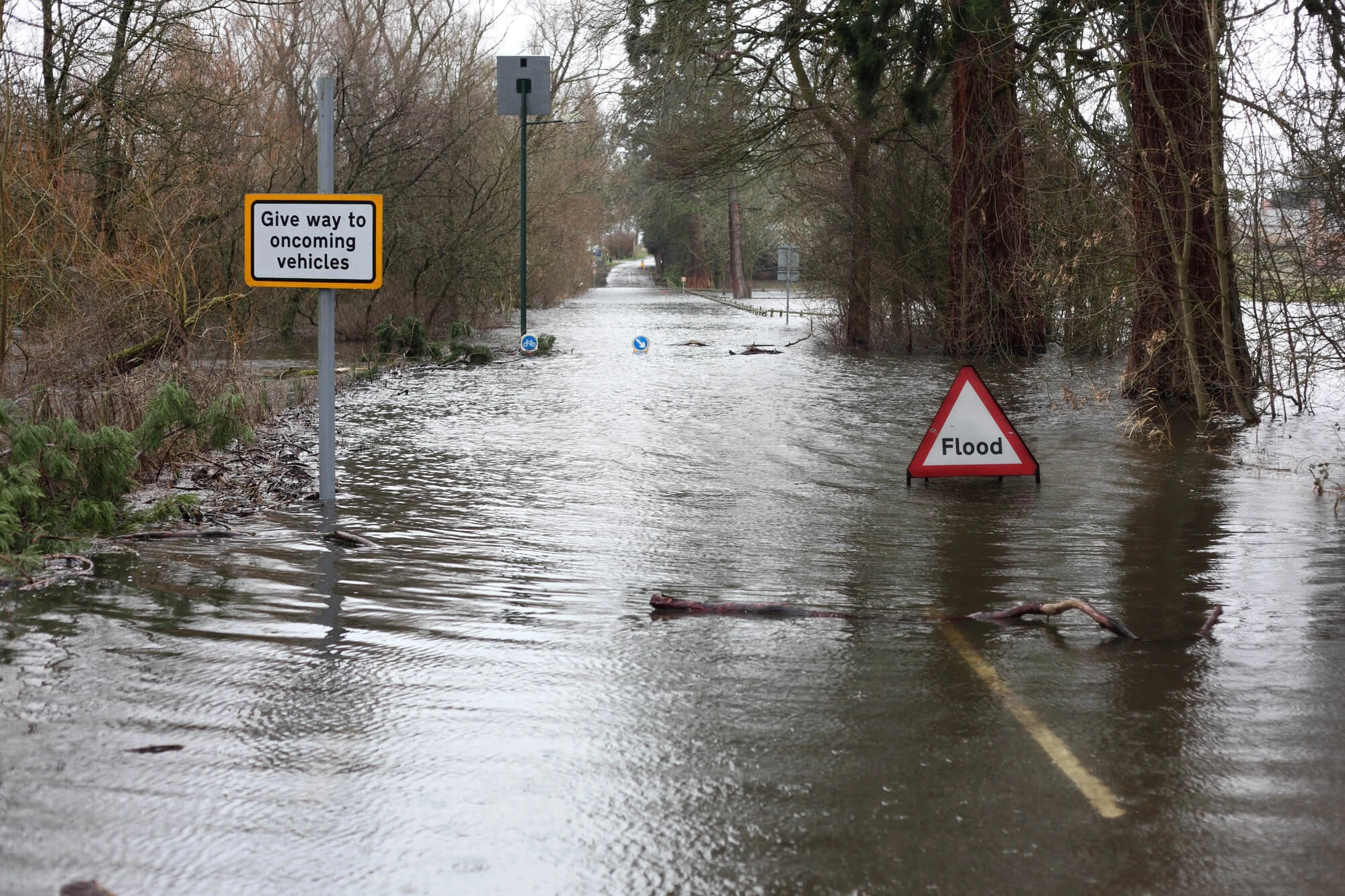
Flooding is a serious risk for all commercial properties, regardless of their location. By understanding your flood zone, preparing your property with the right measures, and creating an emergency plan, you can significantly reduce the impact of a hurricane.
Partner with BlueTeam and get help before, during, and after hurricane damage. Our expert inspections spot weaknesses, while our emergency planning ensures your property is ready. If damage strikes, our rapid response services also keep losses at bay.
Reach out today to make sure your property is prepared for whatever comes next.