Water doesn’t need an invitation to cause expensive damage; it just needs a commercial roof with ineffective drainage.
While attention often goes to roofing materials and insulation, one critical component is frequently overlooked: how water is removed from the system. When it doesn’t drain properly, it starts seeping, pooling, straining your structure, and shortening the life of the roof—often before any obvious warning signs appear.
In commercial buildings, where roof spans are wide and stakes are high, drainage issues have a way of becoming costly fast. Even one missed inspection or clogged drain can result in water intrusion, structural wear, interior damage, and major disruptions to business operations.
Taking proper care of your roof—including maintaining its drainage, addressing restoration needs early, and scheduling regular inspections and prompt commercial roof leak repair—can significantly reduce risk, extend system performance, and protect your commercial investment long term.
Why Drainage Matters for Commercial Roofs
Aside from being a regulatory requirement, the implementation of effective drainage systems in commercial properties is a necessity.
Unlike steep-sloped roofs, which promote natural runoff due to gravity, flat or low-slope roofs depend entirely on engineered drainage solutions. They are highly susceptible to water ponding, which is defined by the National Roofing Contractors Association (NRCA) as water remaining on the roof for more than 48 hours after precipitation.
The consequences of ponding water are multifaceted. Roof membrane breakdown, accelerated deterioration of surfacing materials, and thermal insulation saturation are all frequently observed outcomes.
Additionally, the weight of ponded water exerts undue stress on the underlying roof deck and support systems, potentially leading to structural compromise.
In commercial environments, where large rooftop areas are common, even a small blockage can result in the accumulation of gallons of water. Such accumulation can lead to emergency repairs, business interruption, and increased insurance claims.
Therefore, the assurance of proper drainage should be treated as a foundational aspect of commercial property management.
Common Commercial Drainage Systems and How They Work
Several systems are typically employed in commercial roofing to ensure efficient water removal. Each is selected based on the building’s size, location, roof design, and load-bearing capacity.
Internal Drains
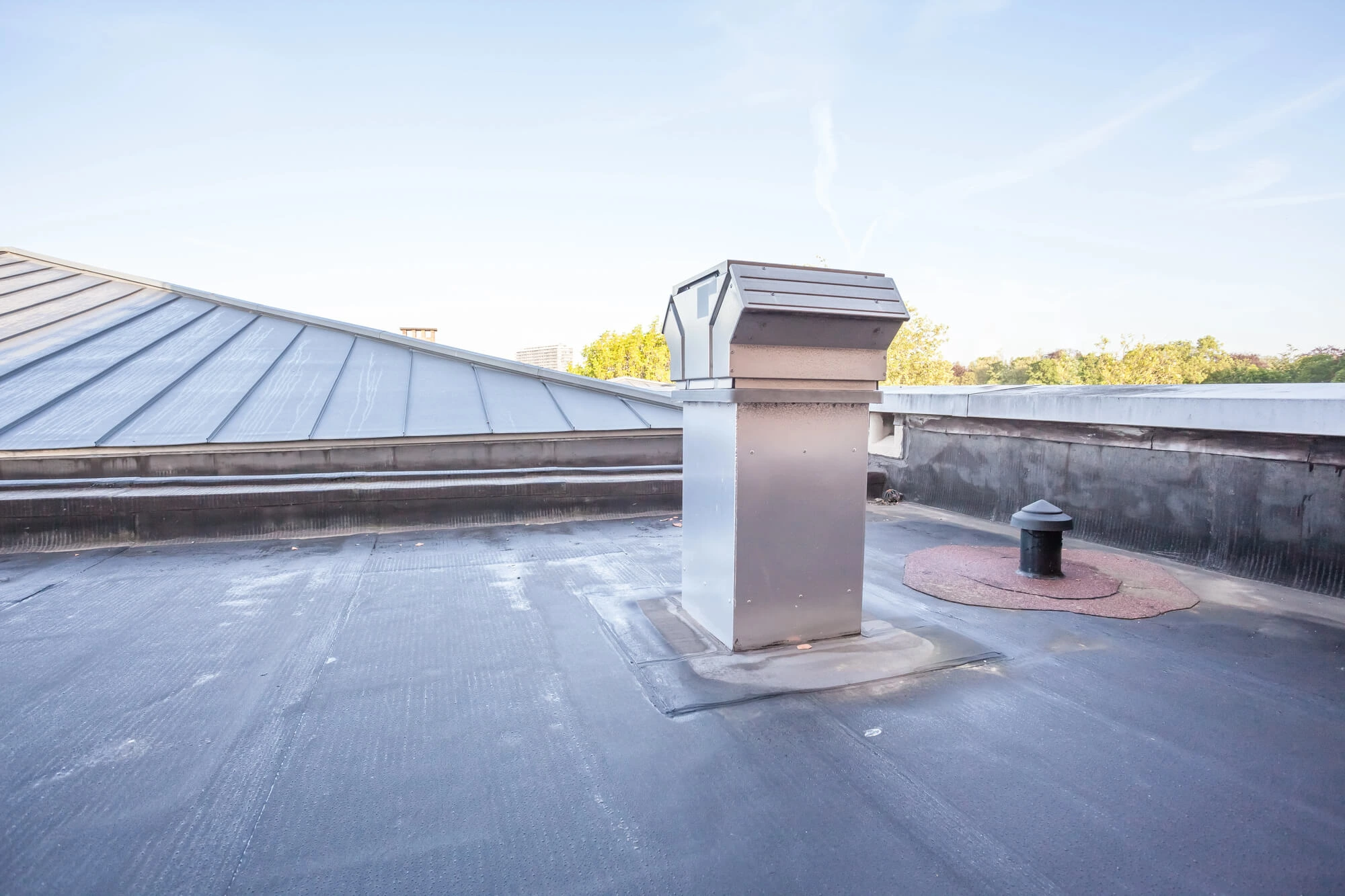
Often used in larger commercial structures, internal drains are strategically placed in low points of the roof. Water is funneled into hidden pipes that run through the building’s interior and exit at ground level.
These systems are ideal for buildings with expansive roof surfaces, as they help minimize the visual disruption of exterior drainage components. However, clogging of these internal systems due to debris accumulation remains a common failure point.
Scuppers
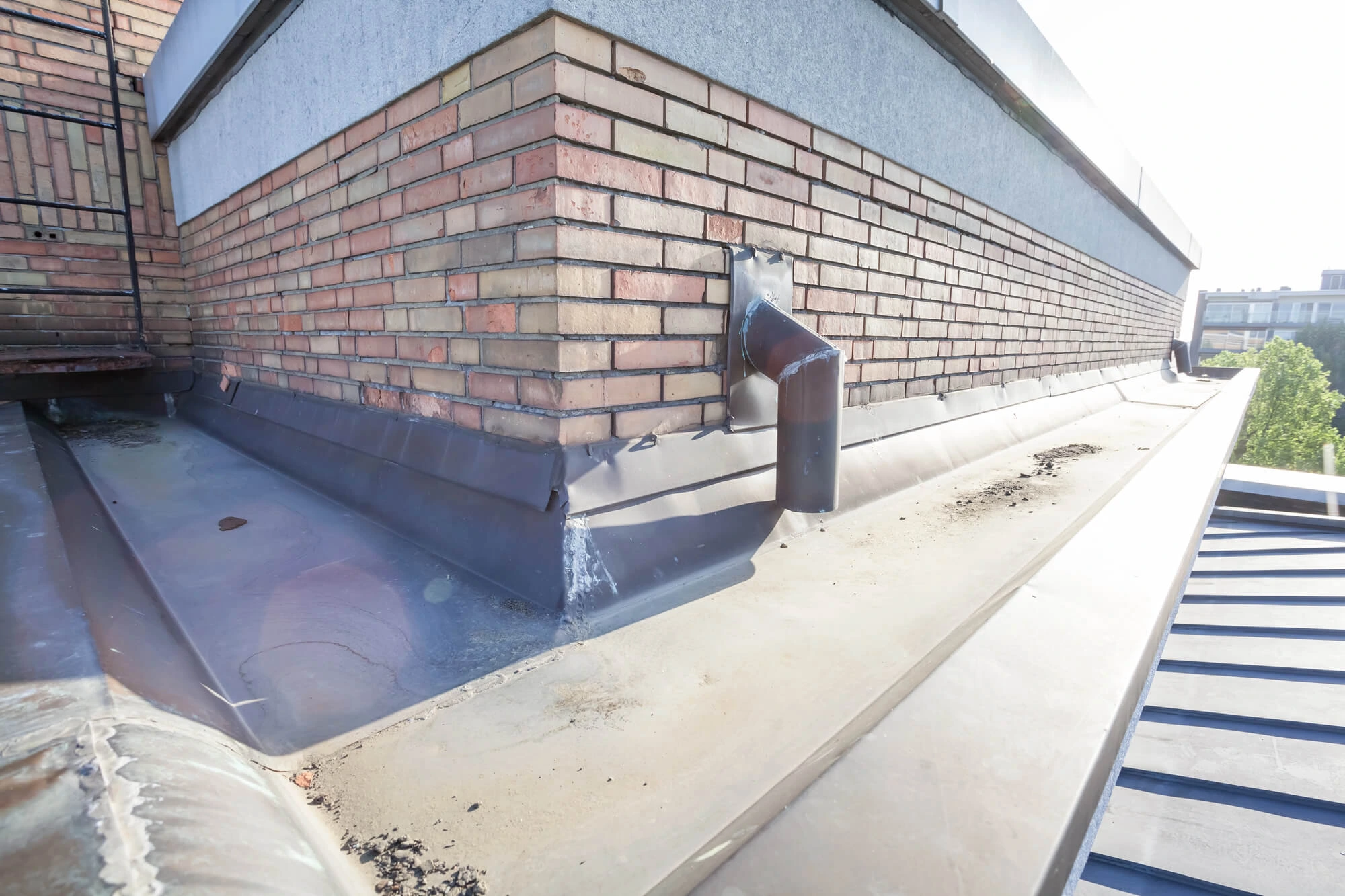
Scuppers are openings in the perimeter walls (parapets) that allow water to drain off the edge of the roof. They are typically used along with conductor heads and downspouts.
While scuppers are cost-effective and simple to install, their effectiveness is heavily dependent on regular maintenance, especially during storm seasons when debris buildup is likely.
Gutters and Downspouts
Though more commonly associated with residential applications, gutters and downspouts are sometimes utilized on commercial roofs, particularly those with slight slopes. Their effectiveness improves when they are combined with roof edge metal and water diverters.
However, due to exposure to wind loads and debris, regular inspection is recommended to ensure continued functionality.
Tapered Insulation Systems
In addition to traditional drainage components, many commercial roofs incorporate tapered insulation systems. These are designed to create a slope that guides water toward drains or scuppers. The use of such systems improves water flow and reduces the likelihood of ponding, particularly in retrofit applications where adding structural slope is impractical.
When properly installed and maintained, these drainage systems work together to remove water efficiently and protect both the roof membrane and the underlying structure.
What Happens When Drainage Fails?
Drainage failure, while often gradual, can lead to extensive damage. Its detection is frequently delayed until visible symptoms appear, at which point the cost and complexity of repair have often escalated.
Water Infiltration and Roof Membrane Damage
Prolonged exposure to standing water degrades most types of commercial roofing membranes, including TPO, EPDM, and modified bitumen.
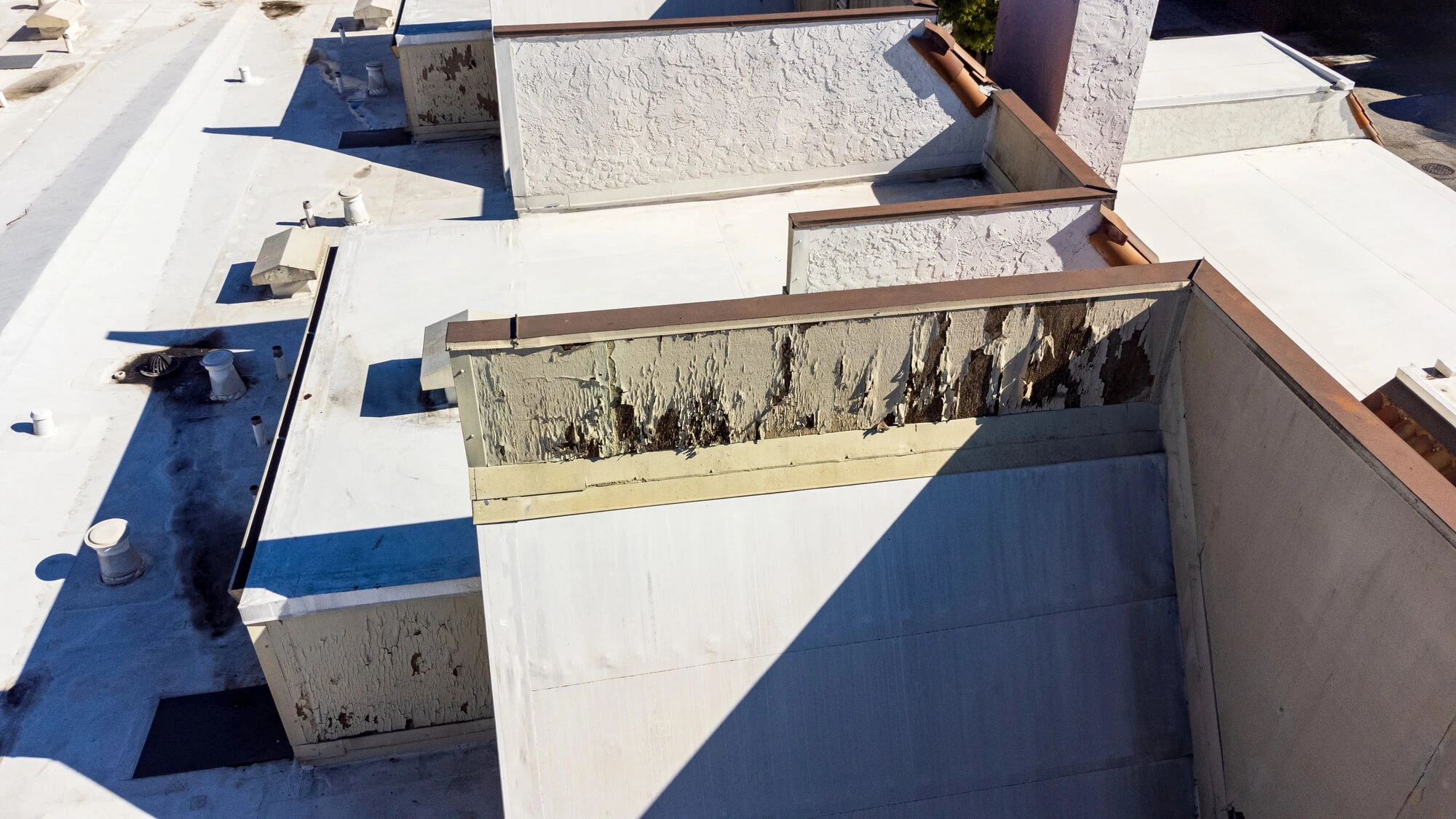
Over time, the protective layers are compromised, allowing water infiltration into the building envelope. This process can trigger corrosion of metal decking, rotting of wood components, and deterioration of insulation layers.
Structural Compromise
The continuous saturation of the roof system can significantly increase the dead load on the structure. In some cases, this results in sagging of the roof deck, deflection of steel joists, or even partial collapse.
Interior Damage and Mold Growth
Once water breaches the roofing system, interior finishes and fixtures are quickly impacted. Ceiling tiles, electrical systems, and drywall are all vulnerable.
In climates with high humidity, persistent moisture introduces the additional risk of mold proliferation, which can lead to air quality concerns and potential legal liability.
Business Disruption
Operational continuity is directly affected when drainage-related failures result in leaks or ceiling damage. Occupant displacement, service downtime, and inventory damage are frequent outcomes, particularly in office buildings, retail facilities, and warehouses.
Proactive drainage management is the most effective method of risk mitigation in commercial settings.
Warning Signs of Inadequate Drainage
Recognizing early indicators of drainage failure can significantly reduce the extent of future repairs.
The following signs should prompt immediate investigation:
- Ponding Water: Any visible pooling on the roof lasting beyond 48 hours post-rainfall is a red flag.
- Staining on Ceilings or Walls: Brown or yellow discoloration inside the building often indicates a slow leak due to drainage backup.
- Sagging Roof Surface: Depressions or uneven surfaces can suggest that the roof structure is under stress from water retention.
- Overflowing Drains or Scuppers: Water spilling over edges or out of unexpected areas may be a sign of a blocked system.
- Vegetation Growth: The presence of moss or grass on the roof typically indicates stagnant water and accumulated organic matter.
When addressed early, these symptoms often lead to low-cost solutions such as debris removal or minor system adjustments. When left untreated, they often turn into major repairs or full system replacements.
Maintenance and Best Practices to Ensure Effective Drainage
An effective drainage strategy does not end at installation. Ongoing maintenance and monitoring are critical for long-term performance.
Scheduled Cleaning and Debris Removal
Routine cleaning of drains, gutters, scuppers, and overflow points is essential to prevent clogging from leaves, roofing granules, bird nests, and windblown debris. Even small obstructions can reduce water flow and contribute to ponding, especially after heavy rain.
Ideally, commercial roofs should be inspected and cleared at least twice per year—typically in spring and fall—to ensure proper drainage. However, in areas with frequent storms, dense tree coverage, or seasonal pollen buildup, quarterly cleanings may be necessary to maintain performance and avoid sudden water backup.
Seasonal Inspections and Pre-Storm Assessments
Inspections timed around seasonal changes or upcoming storm systems allow for the early detection of issues such as deteriorating drain seals, disconnected downspouts, or blocked internal piping. Assessments help confirm that all drainage components are in working order before they're tested by high volumes of water.
In hurricane-prone regions, this step is especially critical, as even minor inefficiencies can result in rapid system overload, interior leaks, and emergency repair needs.
Pre-storm assessments also give property managers time to schedule corrective work before contractor availability tightens during peak weather events.
Roof Slope Evaluation
Commercial roofs may settle or shift, altering the slope and affecting water flow. After major reroofing projects, structural retrofits, or signs of recurring ponding, slope evaluation becomes necessary.
Inadequate slopes may require reconfiguration using tapered insulation systems or structural reinforcement to redirect water effectively and prevent long-term pooling that stresses the roof membrane.
Professional Oversight
Commercial roofing systems benefit from periodic evaluations conducted by licensed professionals. Third-party assessments provide technical expertise and a fresh perspective, especially helpful when diagnosing subtle or developing issues that may go unnoticed.
Contractors with experience in drainage systems can identify early signs of corrosion, sealant failure, or structural deflection that might not be visible during routine checks.
All inspections should be documented in a baseline condition report to track trends and support long-term planning or warranty compliance.
Maintenance Documentation
A well-maintained log of inspections, cleanings, repairs, and modifications is an essential risk management tool. Documentation helps property managers monitor system performance, track recurring issues, and verify that proper protocols are being followed.
In the event of a water damage claim or structural concern, having detailed records can strengthen the case for insurance coverage or support warranty claims.
Organized maintenance documentation also facilitates smoother handovers between facility teams and contractors during staffing transitions or ownership changes.
Protect Your Commercial Roof with BlueTeam
At BlueTeam, the protection of your commercial assets is our priority. Our comprehensive roofing inspections, drainage assessments, and commercial roof leak repairs are designed to identify vulnerabilities before they become liabilities.
Especially before storm seasons, we help clients implement preventive strategies and prepare for emergency restoration or roof replacement if needed. Whether you're planning long-term capital improvements or addressing urgent concerns, our experts are equipped to support your property’s resilience from top to bottom.
Contact BlueTeam today to schedule a commercial roofing inspection or drainage evaluation.


