


April 30, 2026
From Weather Alerts to Action Plans: Closing the Gap Between Forecasts and Field Response
A severe weather alert is issued. Notifications are sent. Dashboards light up with warnings. Yet, at the property
Read More
Emergency roof repairs on commercial buildings are rarely the result of sudden, unpredictable damage. In most cases, failure occurs after months—or years—of gradual surface deterioration, moisture exposure, and environmental stress. By the time leaks become visible inside the building, the roofing system has often been compromised well beyond the point where simple corrective action is sufficient.
Commercial roofs are designed to perform as systems, not just as protective coverings. When seams weaken, membranes lose elasticity, or ultraviolet exposure begins to break down surface materials, the system’s ability to manage water is steadily reduced.
Without intervention, these conditions can escalate into insulation saturation, interior damage, and urgent repair situations that disrupt operations and strain maintenance budgets.
Preventive roof care focuses on addressing these early-stage vulnerabilities before they evolve into emergencies. Among the available strategies, roof coatings are frequently used to reinforce existing roof systems, limit environmental exposure, and stabilize aging surfaces.
When applied at the right time by commercial contractors, coatings support long-term performance while reducing the likelihood of unplanned repairs.
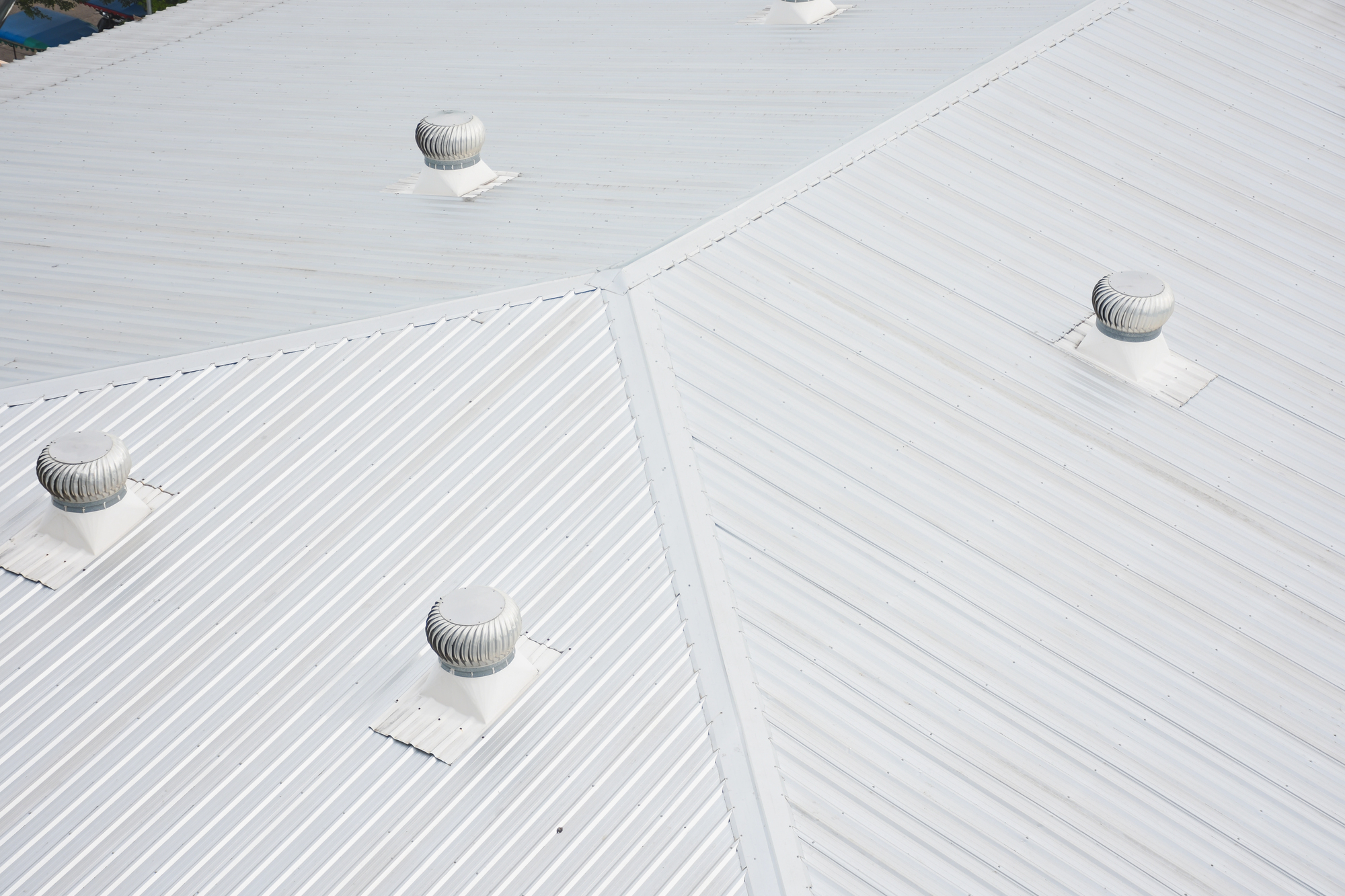
Emergency roof repairs are disruptive by nature. Access must be arranged quickly, materials sourced on short notice, and repairs completed under less-than-ideal conditions.
Premium labor rates, expedited services, and temporary fixes are often involved, driving costs higher than planned maintenance would require.
In addition to financial impact, operational consequences are frequently experienced. Interior damage, safety concerns, tenant complaints, and business interruptions may occur while repairs are underway. For facilities that house sensitive equipment or high-traffic operations, these risks can escalate quickly.
Commercial roof systems are exposed to ongoing stress throughout their service life. Over time, several factors contribute to the conditions that lead to emergency repairs.
Roofing membranes naturally lose flexibility and resilience as they are exposed to ultraviolet radiation, temperature fluctuations, and environmental pollutants. As the process continues, cracking and surface erosion may develop.
Ponding water caused by inadequate drainage can accelerate membrane breakdown and increase the likelihood of leaks.
Small penetrations or seam failures may allow moisture to enter the roofing assembly, leading to insulation saturation and structural damage.
Expansion and contraction from daily and seasonal temperature changes place stress on roof components, especially at seams, flashings, and penetrations.
Foot traffic, rooftop equipment servicing, and installation-related wear can further compromise roof surfaces.
Without protective measures in place, cumulative stressors often lead to failure at the most inconvenient time.
Roof coatings are fluid-applied materials designed to create a continuous, protective layer over an existing roof surface. Once cured, the coating forms a seamless membrane that enhances weather resistance and surface durability.
Rather than serving as a structural repair, coatings function as protective systems. Minor surface defects may be sealed, and exposed areas may be shielded from further degradation. The approach allows existing roof assemblies to be preserved and stabilized.
Several types of coatings are commonly used in commercial applications:
The selection of a coating system is typically based on roof condition, environmental exposure, and performance objectives. Professionals also evaluate compatibility with the existing roof membrane during the planning phase.
Roof coatings are most effective when they are implemented as part of a preventive maintenance strategy rather than as a response to failure. By addressing surface-level vulnerabilities early, coatings help reduce the likelihood of leaks and membrane breakdown.
Instead of repeatedly performing isolated repairs, the roof surface is reinforced as a whole, which allows potential problem areas like seams, fasteners, and penetrations to be addressed proactively.
Service life extension is one of the most significant outcomes associated with coating systems. By slowing material deterioration, the need for full roof replacement may be delayed for several years.
During this time, maintenance planning becomes more predictable and capital expenditures may be scheduled more strategically.
The reduction in emergency service calls is another important benefit. When roof surfaces are protected and monitored, unexpected failures become less frequent.
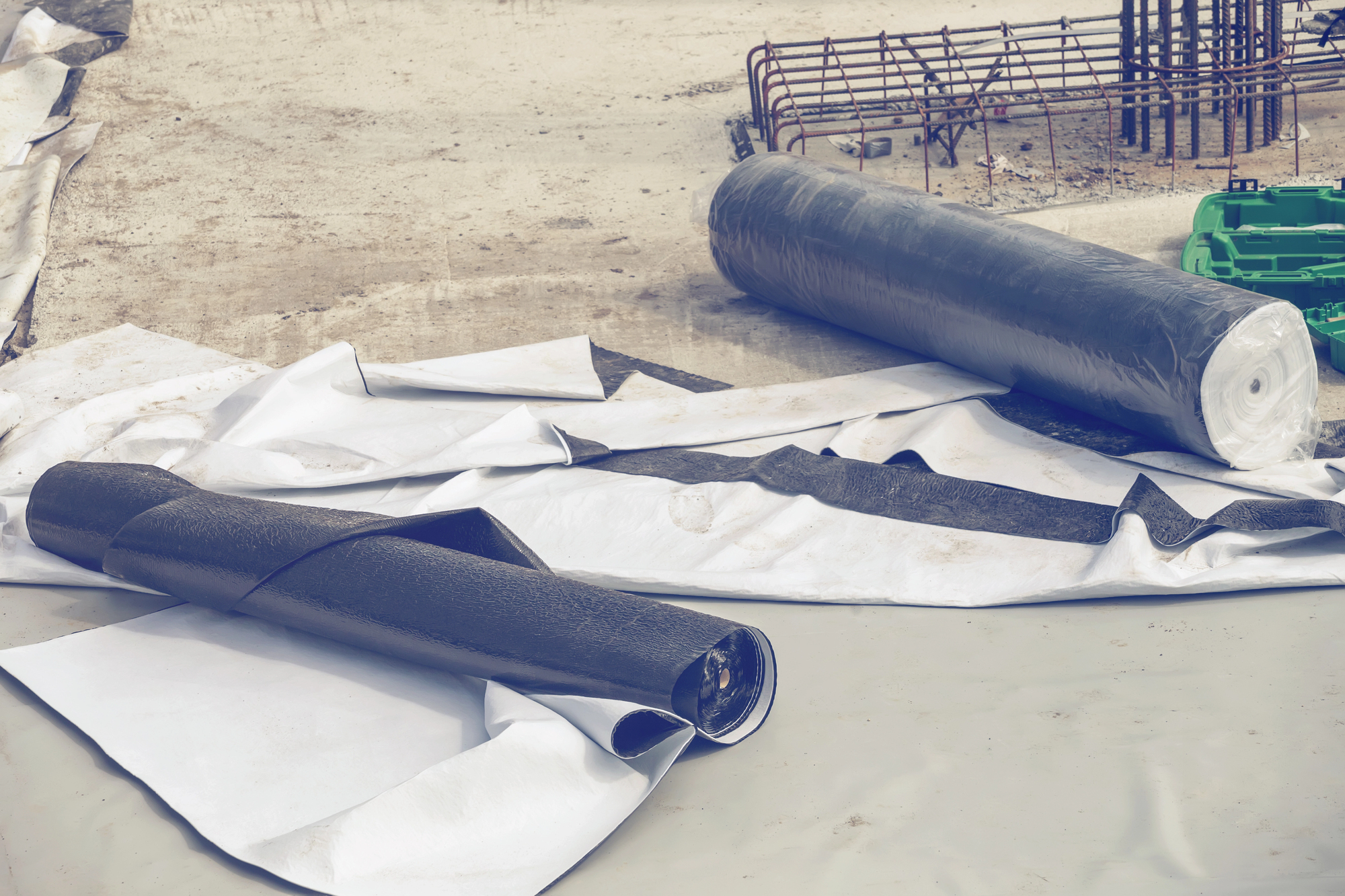
By sealing minor cracks, reinforcing seams, and covering exposed fasteners, pathways for moisture entry are limited.
While coatings are not intended to correct significant structural deficiencies, they are effective at managing surface-level vulnerabilities that commonly lead to leaks. This contributes to drier roofing assemblies and reduced interior damage.
Ultraviolet radiation is a major contributor to membrane degradation. Many coating systems are designed with reflective properties that reduce heat absorption and slow UV-related breakdown.
As a result, roof materials are subjected to less thermal stress, and surface deterioration progresses at a slower rate. Seasonal temperature fluctuations may also have a reduced impact on coated surfaces.
Compared to roof replacement, coating installation generally requires lower upfront investment. Because tear-off is often avoided, labor and disposal costs are reduced.
More importantly, the stabilization provided by coatings supports long-term budget predictability. Fewer emergency repairs translate into fewer unplanned expenses, allowing maintenance budgets to be managed more effectively.
Coating applications are typically completed with minimal interference to building occupants. Because existing roof systems remain in place, noise, debris, and access limitations are reduced.
For occupied commercial properties, this benefit is especially valuable. Business operations can often continue while work is performed.
Not every roof is a candidate for coating application. However, several conditions often indicate suitability. A thorough evaluation is typically required to confirm that the existing roof system can support a coating and deliver long-term value.
Roofs that are structurally sound but showing signs of surface wear are commonly considered good candidates.
Minor cracking, seam fatigue, and weathering may be present without widespread failure. In these cases, deterioration is often limited to the exposed membrane rather than the underlying assembly, making surface protection a practical option.
Recurring small leaks may also suggest that surface-level protection is needed. When leaks are isolated and not associated with insulation saturation or deck damage, coatings may help stabilize the system and limit further moisture intrusion.
Increases in energy usage can sometimes be associated with roof surface degradation. Reflective coatings may assist in improving thermal performance by reducing heat absorption, depending on building design, roof configuration, and climate conditions.
Inspection reports that identify membrane aging without severe deterioration often support the consideration of coatings as part of a preventive plan.
When addressed early, these findings allow coatings to be applied proactively rather than as a last-minute corrective measure.
Routine inspections play a central role in effective roof management. Through regular evaluation, early signs of wear can be identified and documented.
Inspection findings help determine whether a roof is suitable for coating application. Moisture surveys, membrane testing, and visual assessments are typically conducted to confirm system integrity.
When coatings are applied proactively, inspection data also supports performance tracking. Areas of concern can be monitored over time, and maintenance activities may be scheduled accordingly.
By integrating inspections with coating strategies, long-term planning becomes more informed and less reactive.
When emergency repairs are required, options are often limited to immediate corrective action. While these repairs may restore short-term function, they rarely address underlying system-wide vulnerabilities.
Roof replacement, on the other hand, provides a comprehensive solution but involves significant cost, planning, and disruption. In many cases, replacement is not immediately necessary.
Roof coatings occupy a middle ground. When conditions are appropriate, they provide surface reinforcement, leak resistance, and service life extension without the expense or disruption of replacement.
Decision-making should be guided by roof condition, performance objectives, and long-term asset plans. Coatings are most effective when selected intentionally rather than as a last resort.
Preventive roof care has broader implications beyond leak reduction. By stabilizing roof performance, facilities experience fewer operational interruptions and reduced maintenance volatility.
Asset longevity is improved, allowing capital planning to be aligned with broader property management goals. Emergency response demands are reduced, freeing resources for planned improvements rather than urgent fixes.
From a portfolio perspective, consistent roof care supports property value and operational reliability. These benefits compound in the long run, contributing to more predictable outcomes and fewer surprises.
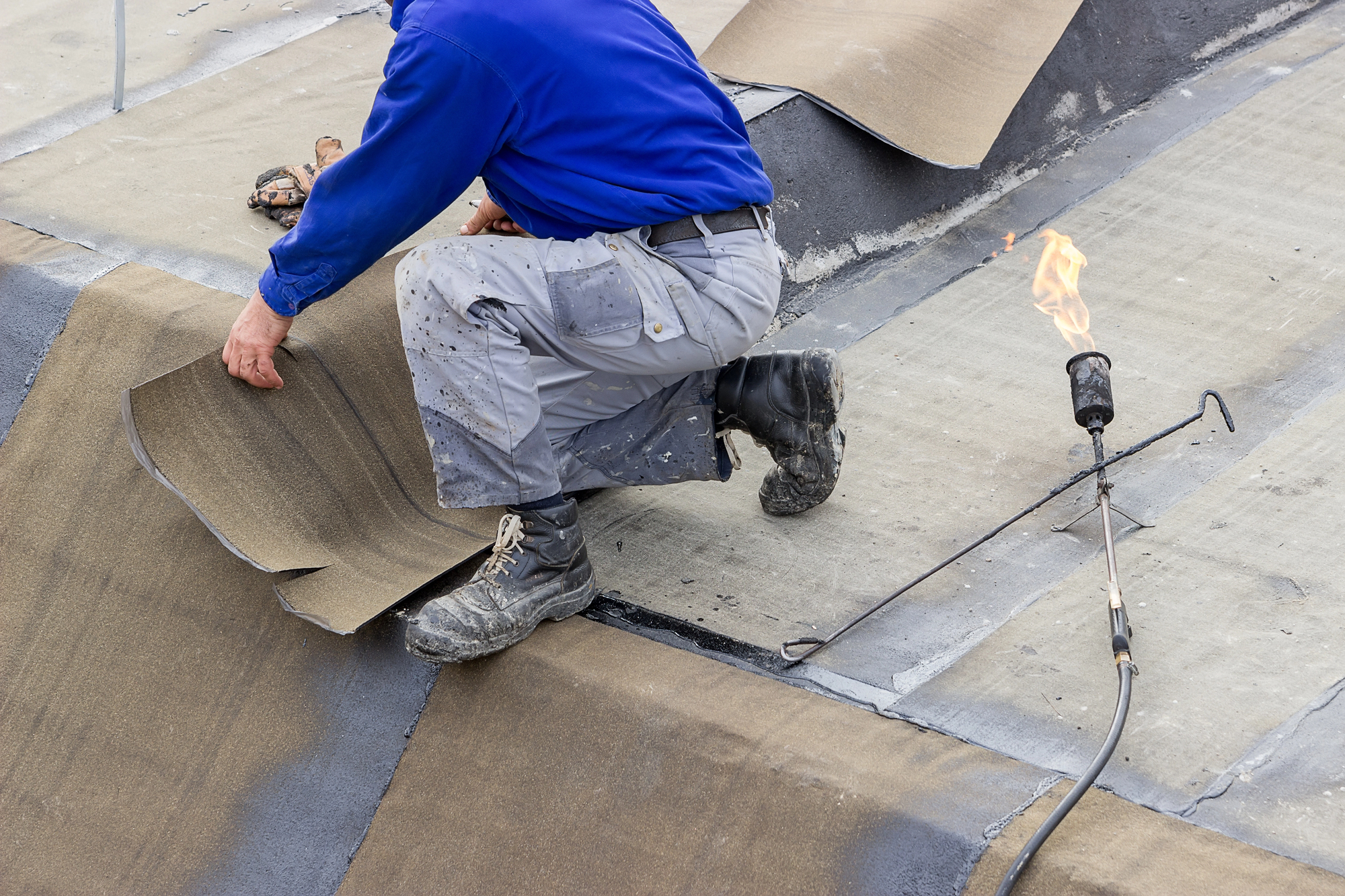
If your commercial roof is showing signs of wear or if emergency repairs have become a recurring issue, now is the time for a proactive evaluation.
Contact BlueTeam to discuss roofing solutions, restoration services, inspections, and long-term strategies designed to support reliable property performance and reduce costly disruptions.