A commercial fire is often viewed as a single incident: flames ignite, extinguishing efforts begin, and the building is secured once the smoke clears. However, the fire itself is only the beginning of a much longer and often more expensive process.
Commercial property owners frequently face larger losses from the hidden aftermath than from the burn area itself. Secondary forms of damage like smoke and water intrusion move through buildings in ways that aren’t always visible.
Without rapid commercial fire damage restoration, cleanup becomes more complicated, structural conditions decline, and restoration budgets increase. Understanding how these hazards form and how they spread is essential for anyone responsible for protecting commercial assets.
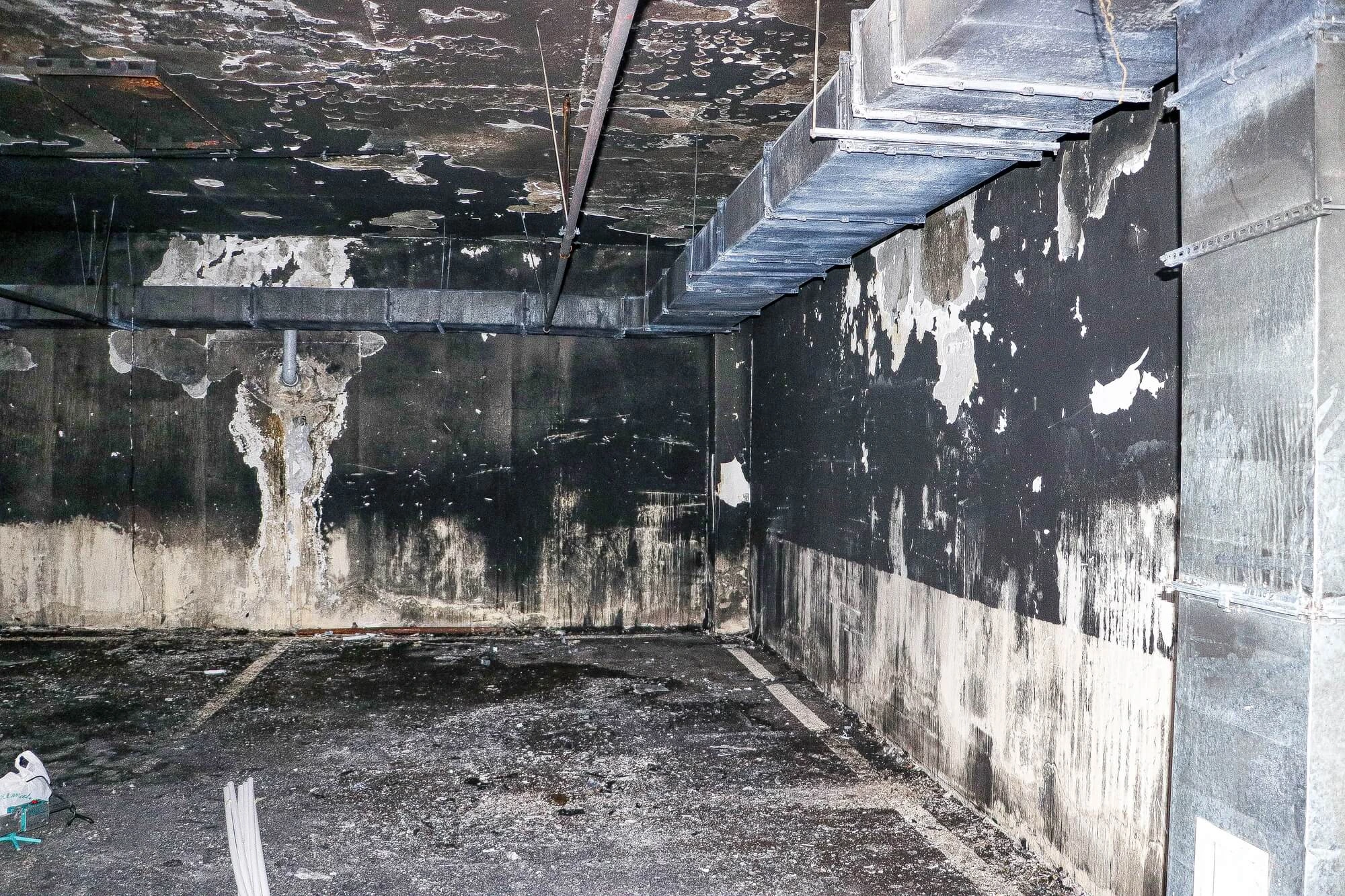
The Immediate Aftermath of a Commercial Fire
Once a fire is controlled, the assumption is often that stability has been restored. In practice, the post-fire environment is volatile.
Doors and windows may be opened for ventilation, allowing soot to disperse throughout the property. Fire suppression leaves behind large amounts of water that quickly travel through floors, wall cavities, and mechanical systems.
During this phase, corrosion, staining, and moisture absorption begin almost immediately. Even small fires may release contaminants that attach to metal fixtures, electronic components, and soft surfaces.
Simultaneously, water begins pooling and seeping into porous materials. Without rapid intervention, the building enters a cycle of compounding damage, making assessment and mitigation more difficult as hours pass.
Why Smoke Damage Can Be More Destructive Than the Flames
How Smoke Travels Through a Building
Smoke movement during a fire is unpredictable and aggressive. Pressurization pushes smoke into ceiling spaces, vents, insulation, and any available gaps. Even areas untouched by flames often experience full smoke infiltration.
Because smoke is made of microscopic particles, it passes through cracks around wiring, electrical boxes, plumbing chases, elevator shafts, and HVAC pathways with ease.
Such movement creates contamination far from the original fire zone. Offices, storage rooms, server areas, and tenant spaces may appear intact, yet still experience heavy residue deposition that affects systems and surfaces.
Types of Smoke Residue and Their Impact
Not all smoke behaves the same. Variations in combustion temperature, fuel type, and oxygen levels create different residue profiles:
- Wet smoke forms during low-temperature, smoldering fires. It produces sticky, smeared deposits that cling to walls and ceilings and are difficult to clean.
- Dry smoke results from fast-burning, high-heat fires. While easier to vacuum and wipe, it spreads more extensively and often penetrates deeper into porous materials.
- Protein residue comes from kitchen or food-related fires. It is nearly invisible but leaves a strong odor and causes long-term discoloration.
- Fuel and oil residues are less common but extremely corrosive, posing severe risk to mechanical and electrical systems.
The Hidden Costs of Smoke Damage
Smoke’s ability to cause long-term deterioration is often underestimated. Corrosion on metal surfaces begins quickly, especially on electronic components. HVAC units, circuit boards, switches, and data equipment are highly vulnerable because smoke particles contain acids that accelerate breakdown.
Porous materials, such as insulation, drywall, carpet, and ceiling tiles, absorb odors and contaminants deeply. In many situations, cleaning only addresses the surface while odors reappear once humidity changes. This leads to repeated treatments or eventual demolition and replacement, raising both time and cost.
In commercial settings like hotels, offices, and retail centers, smoke odors can linger in furniture, inventory, and textiles. Replacement becomes necessary if deodorization proves insufficient, adding significantly to the financial impact.
Health and Compliance Risks
Smoke isn’t only a property issue; it’s also a compliance concern. Particulate matter, chemical compounds, and soot contain irritants and toxins that affect indoor air quality. Employees and tenants may experience respiratory discomfort, headaches, and sensitivity to lingering odors.
If indoor air testing fails to meet occupational standards, re-entry must be delayed. Extended downtime leads to further revenue disruption while remediation continues.
Water Damage: The Unavoidable Side Effect of Firefighting
How Water Quickly Spreads Beyond the Fire Zone
Firefighting requires significant volumes of water. Once applied, water follows gravity, flowing beneath flooring, behind walls, and into lower levels. It absorbs into wood framing, gypsum board, insulation, acoustic tiles, and composite materials.
Commercial buildings with multiple stories experience even more rapid spread, resulting in widespread saturation.
What begins as a routine suppression event often becomes a full-building water intrusion incident.
Structural Risks Commercial Property Owners Often Miss
Water damage that remains out of view is the most dangerous. Hidden moisture accumulation weakens drywall, causes swelling in wood components, and compromises insulation. Metal studs may rust. Concrete subfloors may trap moisture beneath coatings or flooring materials.
Because water tends to migrate horizontally before moving downward, its path may not align with visible staining, making professional moisture mapping essential for accurate assessment.
If water remains trapped in building cavities, secondary damage intensifies over time. Warping, peeling, and structural separation may appear weeks later, increasing demolition costs.
Mold Growth and Secondary Damage
Moisture retention provides an ideal environment for microbial growth. Mold colonization can begin within 24 to 48 hours after saturation. Once mold establishes itself, removal becomes more complex and requires containment, filtration, specialized cleaning, and material replacement.
Air quality is directly impacted by mold spores, which may travel through HVAC systems and into occupied areas. Commercial properties face compliance issues, potential tenant complaints, and extended closures during remediation.
Addressing moisture early prevents widespread mold issues and reduces long-term restoration expenses substantially.
Business Interruption Costs
Water-related complications often cause more downtime than the fire itself. Drying requires controlled dehumidification, continuous monitoring, and sometimes partial demolition.
If moisture spreads into data centers, production zones, or sensitive inventory areas, reopening timelines can extend considerably.
Interruptions can result in:
- Increased insurance claims
- Replacement of damaged goods
The economic ripple effect underscores the importance of early action and containment.
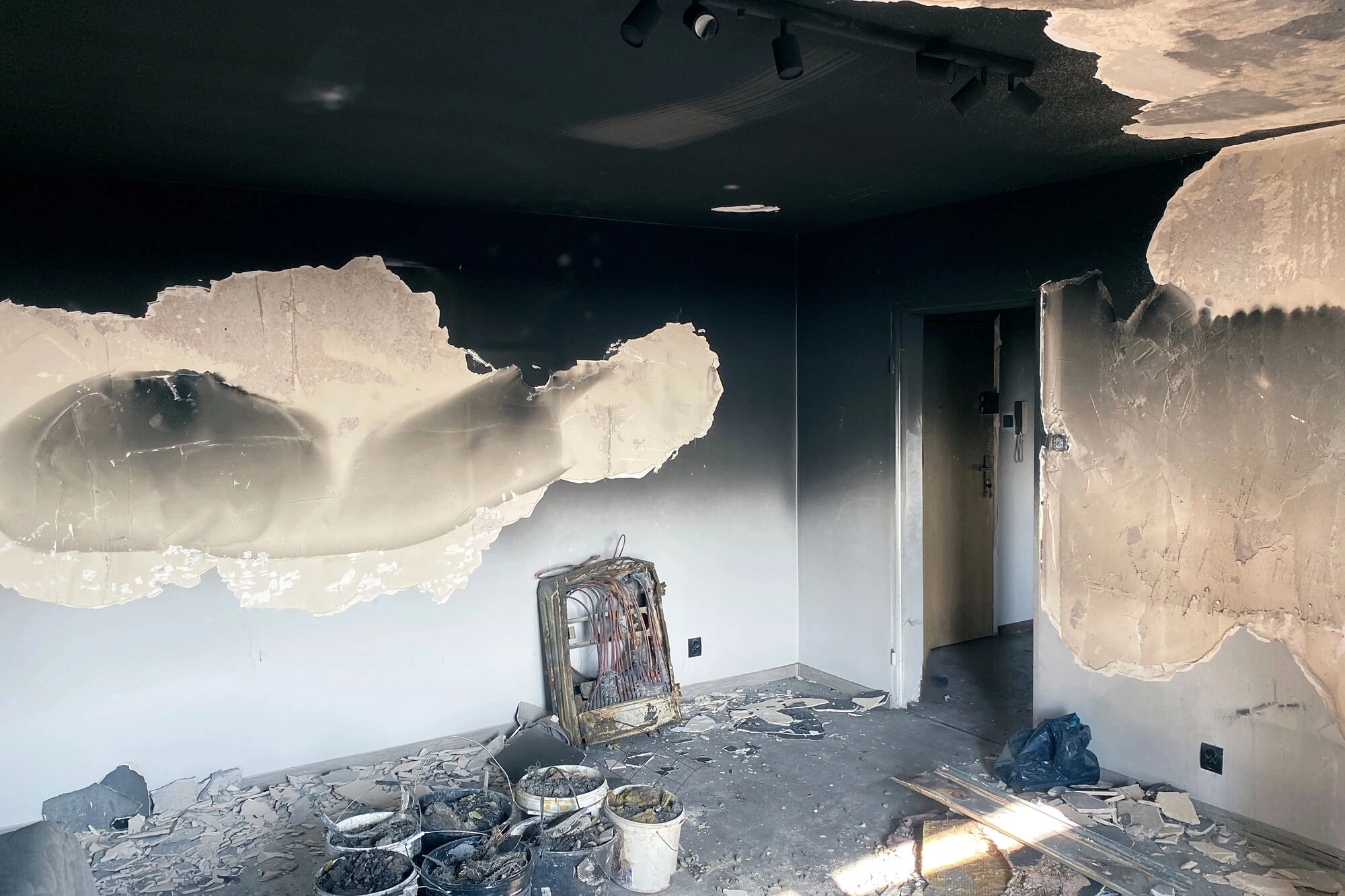
Why Hidden Threats Often Cost More Than the Fire Itself
Flames may burn visibly, but smoke and water deal the most expensive long-term damage. Initial fire destruction is typically limited to a defined area. In contrast, smoke and water affect multiple zones simultaneously, creating a larger footprint for restoration.
Common cost drivers include:
- Corrosion of electronics and machinery
- Full removal of saturated building materials
- Odor removal requiring extended treatment
When cleaning is insufficient, replacement becomes the only option. For example, smoke-damaged insulation or water-logged drywall cannot be fully restored and must be removed. The process increases labor, materials, and project duration.
Poor documentation or delayed action may also complicate insurance claims, creating additional financial strain for property owners.
How Professional Restoration Limits Long-Term Losses
Rapid Assessments
Professional restoration begins with a thorough post-fire inspection. Moisture assessments help teams identify damp materials, hidden water pockets, and areas where saturation has begun spreading beyond the fire zone.
At the same time, structural and building materials may be collected and analyzed to evaluate potential contamination from smoke, soot, or other fire-related residues. An industrial hygienist documents these findings and prepares a formal report, which becomes the foundation for determining the appropriate remediation approach.
By confirming the extent of intrusion early, mitigation can be planned accurately and unnecessary demolition can be avoided. A structured evaluation also supports faster stabilization and reduces the likelihood of secondary damage developing.
Specialized Smoke Removal
Once the plan is confirmed, treatment begins. Findings from the industrial hygienist’s report are used to verify if the affected areas require microbial remediation. All equipment, floors, walls, ceilings, and contaminated surfaces are cleaned and sanitized to remove residue and reduce odor retention.
Environmental stabilization is achieved with HEPA filtration and air scrubbers, which help capture airborne particulates and support a safe working environment throughout the process.
Third-party clearance testing is often recommended to ensure full transparency and avoid conflicts of interest.
After the area is cleaned and stabilized, it is prepared for reconstruction, allowing the restoration phase to proceed with confidence that contaminants have been fully addressed.
Structural Drying and Mold Prevention
Industrial drying equipment creates controlled conditions that remove moisture before mold formation. Air movers, dehumidifiers, and temperature regulation are combined with moisture monitoring to ensure full extraction.
If partial demolition is required, it is performed in a way that limits disruption while preventing future deterioration.
Documentation for Insurance and Compliance
Professional restoration includes detailed reporting, moisture logs, photos, and scope documentation. Records support insurance claims and demonstrate that cleanup was performed correctly.
Moreover, reliable documentation minimizes disputes and speeds up the approval process for reconstruction.
Proactive Planning: How Property Teams Can Lower Future Restoration Costs
Post-fire recovery becomes significantly easier when a property has an established pre-loss plan. Pre-loss planning outlines emergency contacts, building layouts, response protocols, and priority areas for protection. Preparation shortens response time, reduces confusion, and supports faster stabilization.
Annual property assessments can identify vulnerabilities such as outdated electrical systems, improperly maintained fire suppression equipment, or areas prone to water accumulation.
Monitoring moisture levels or inspecting building envelopes may also prevent secondary incidents.
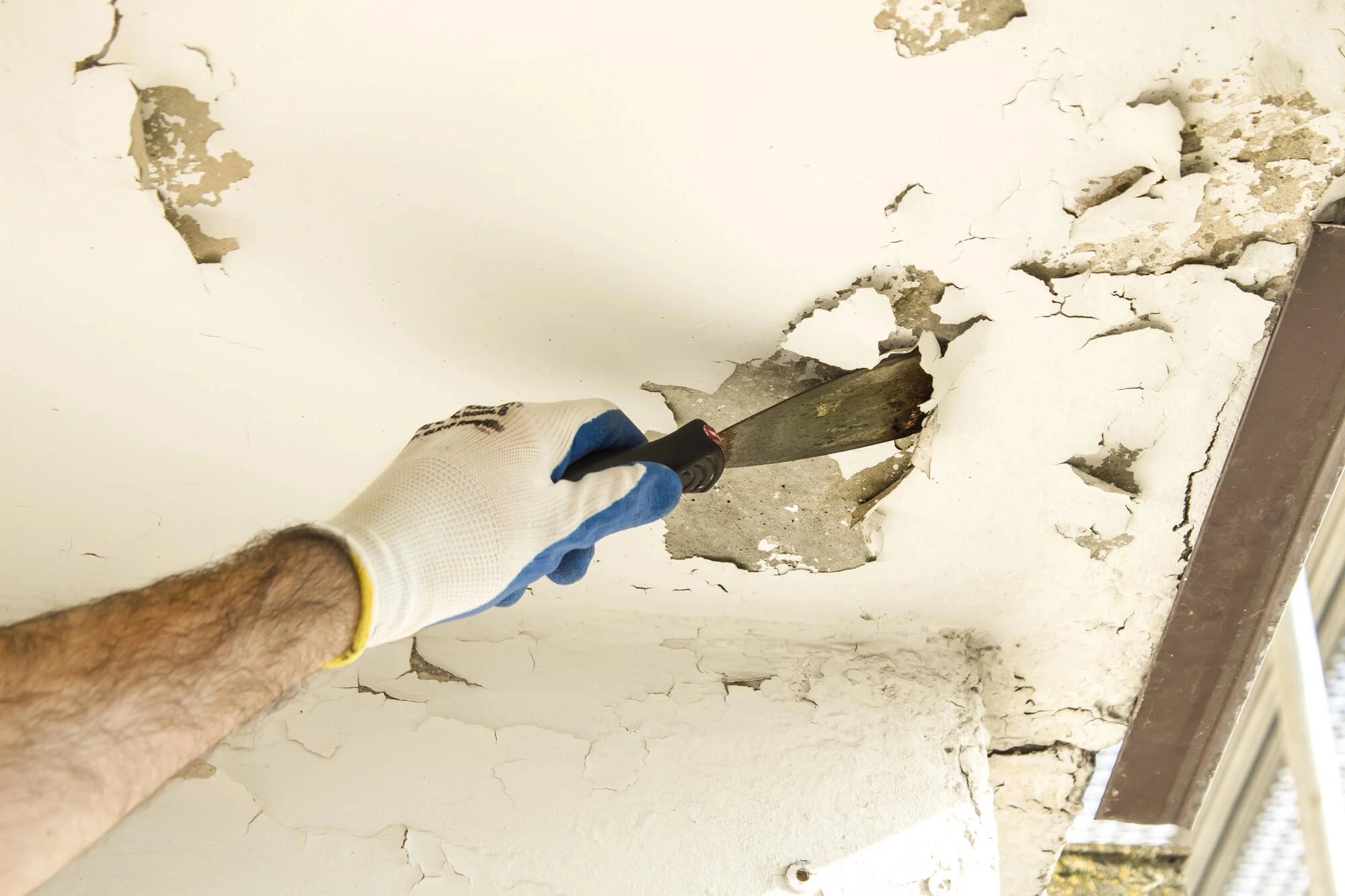
Partner With BlueTeam for Full Commercial Fire Damage Restoration and Water Damage Remediation
At BlueTeam, rapid response and precise post-fire assessment are standard practice. Our restoration professionals handle every stage of remediation with accuracy and efficiency, ensuring your commercial property is stabilized, cleaned, and fully prepared for reconstruction.
For comprehensive support after fire and water damage, contact BlueTeam today.


